Northern Territory Lighting logo

A Guide to Architectural Lighting for Your Home’s Exterior

Home | A Guide to Architectural Lighting for Your Home’s Exterior

Elevating Your Home With Architectural Lighting

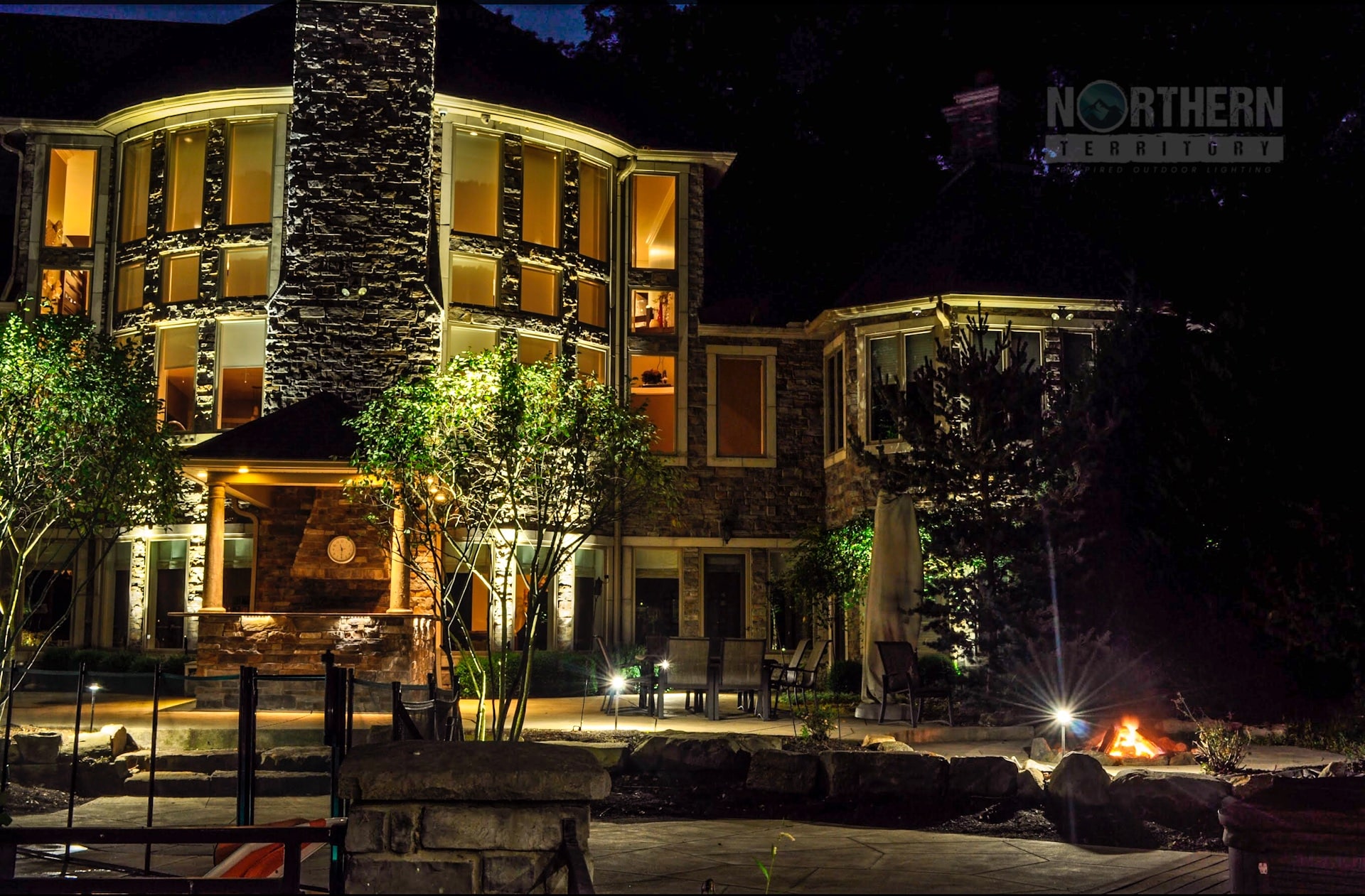
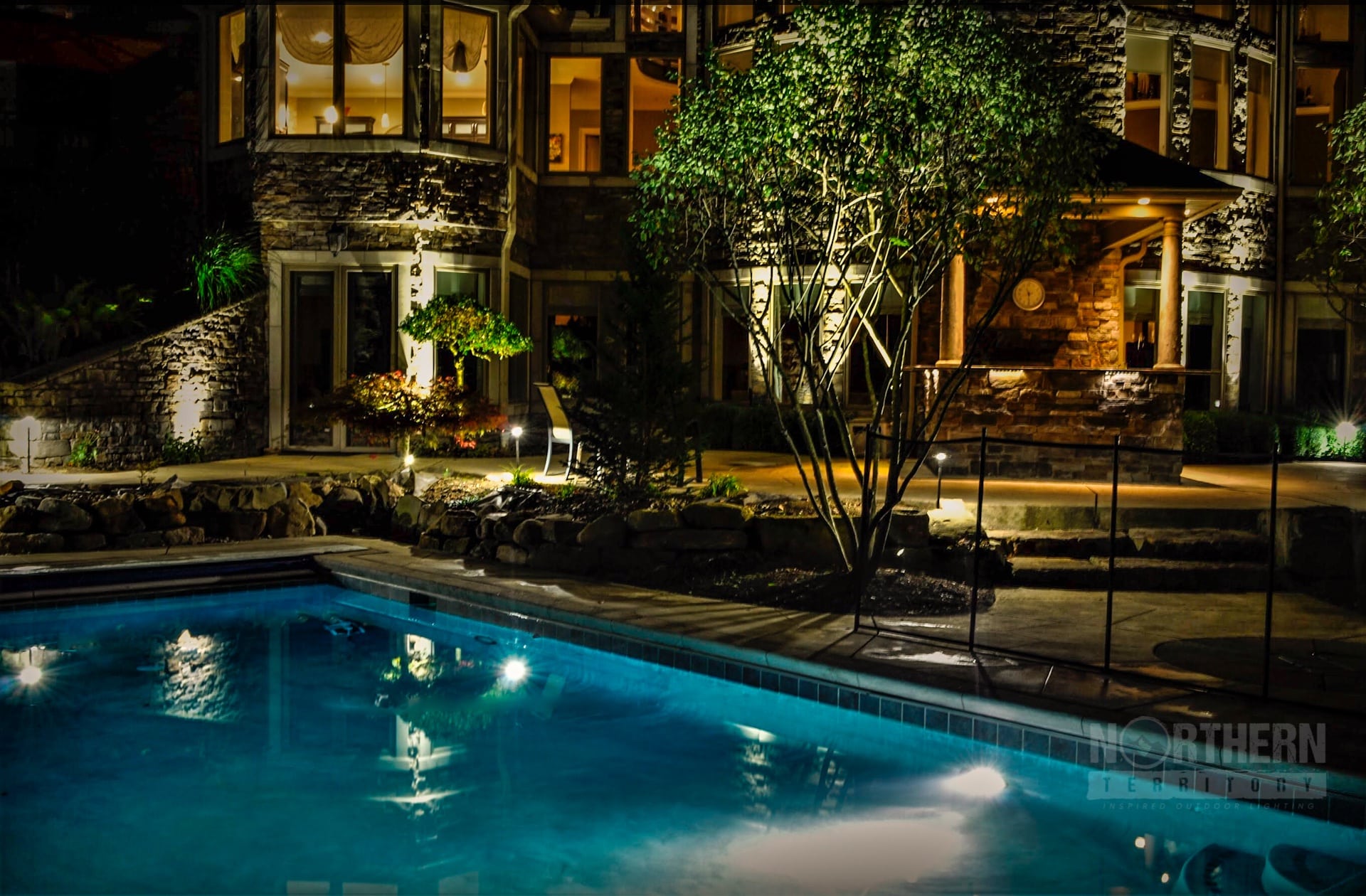
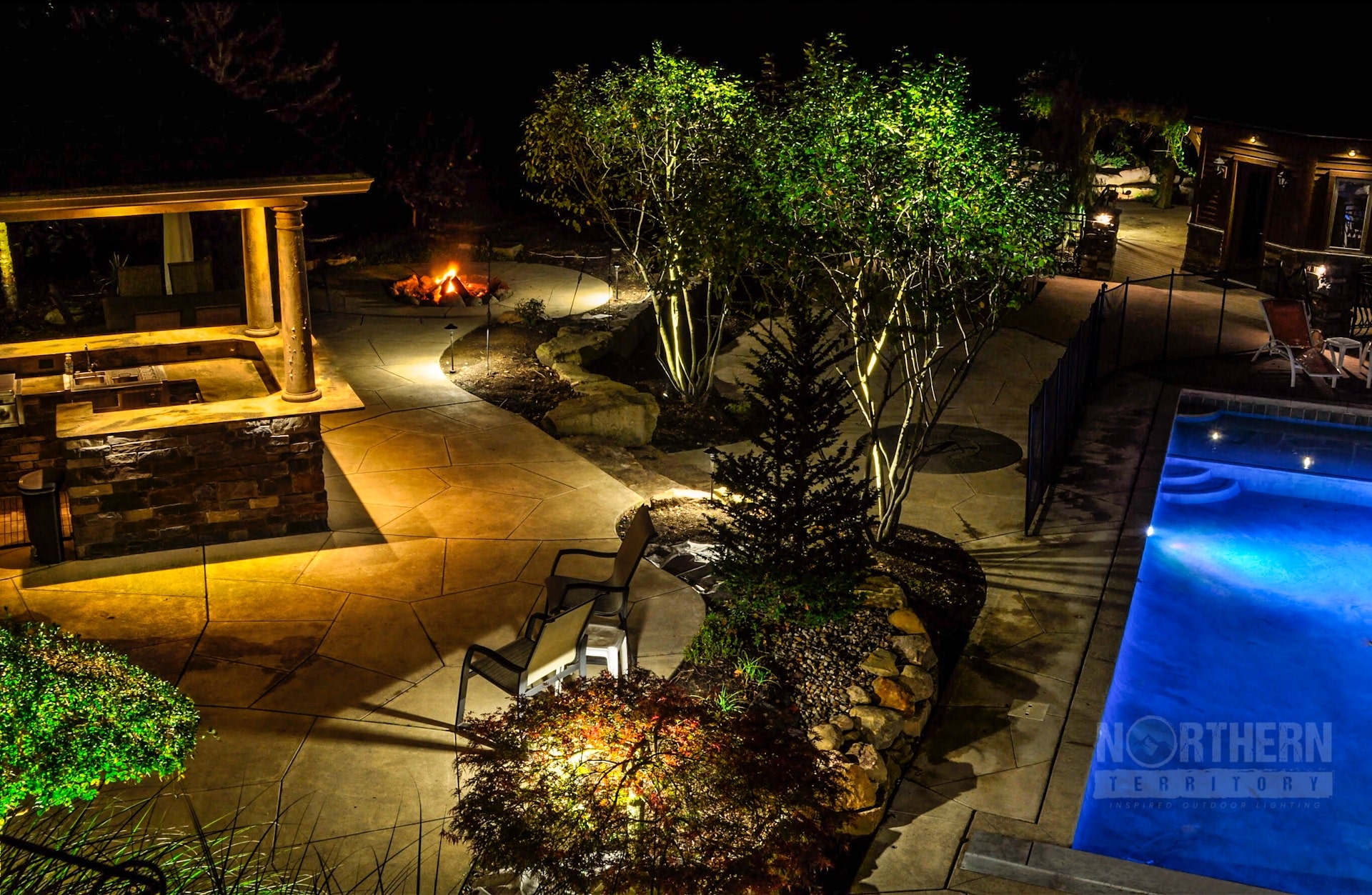
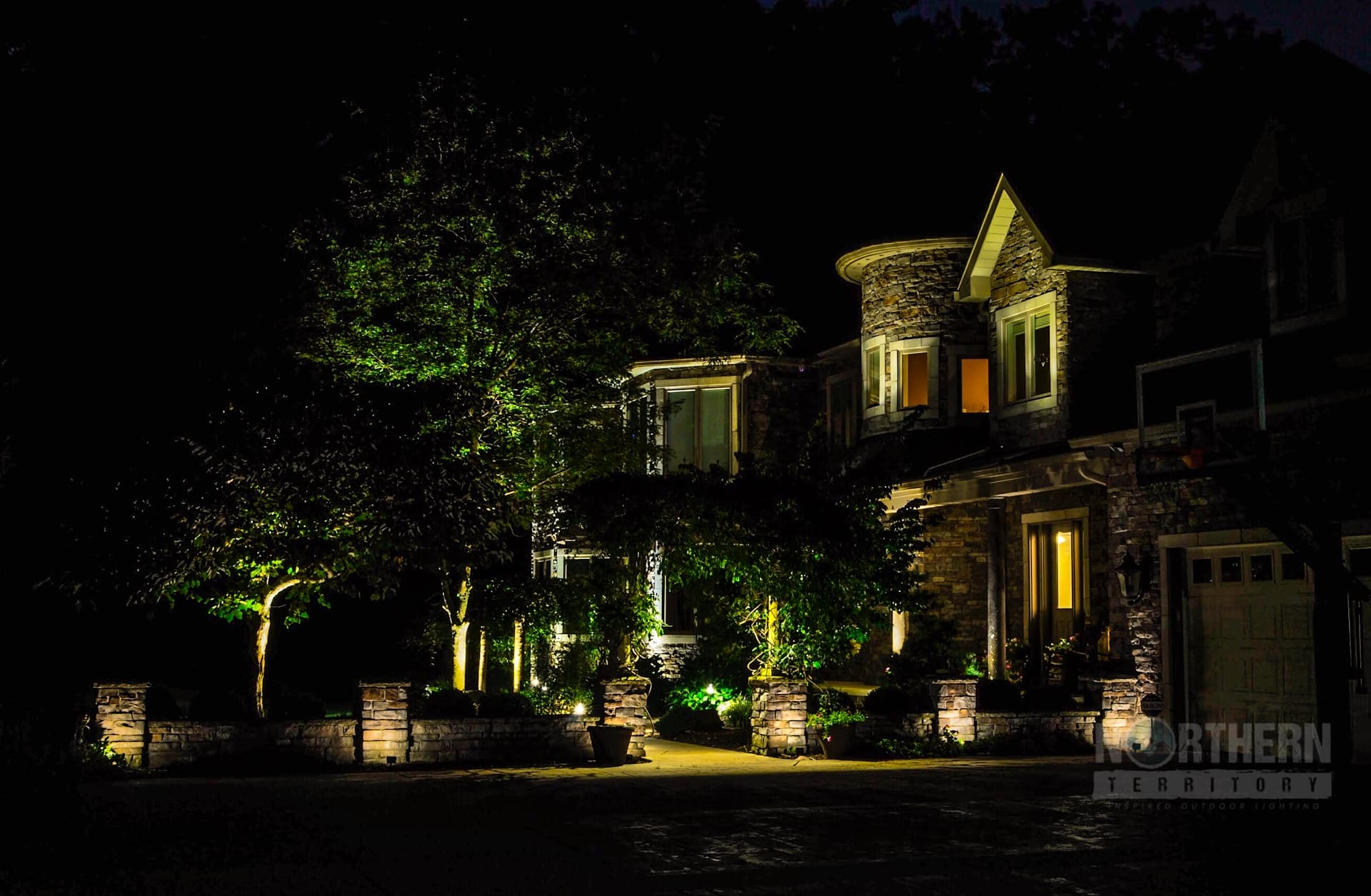
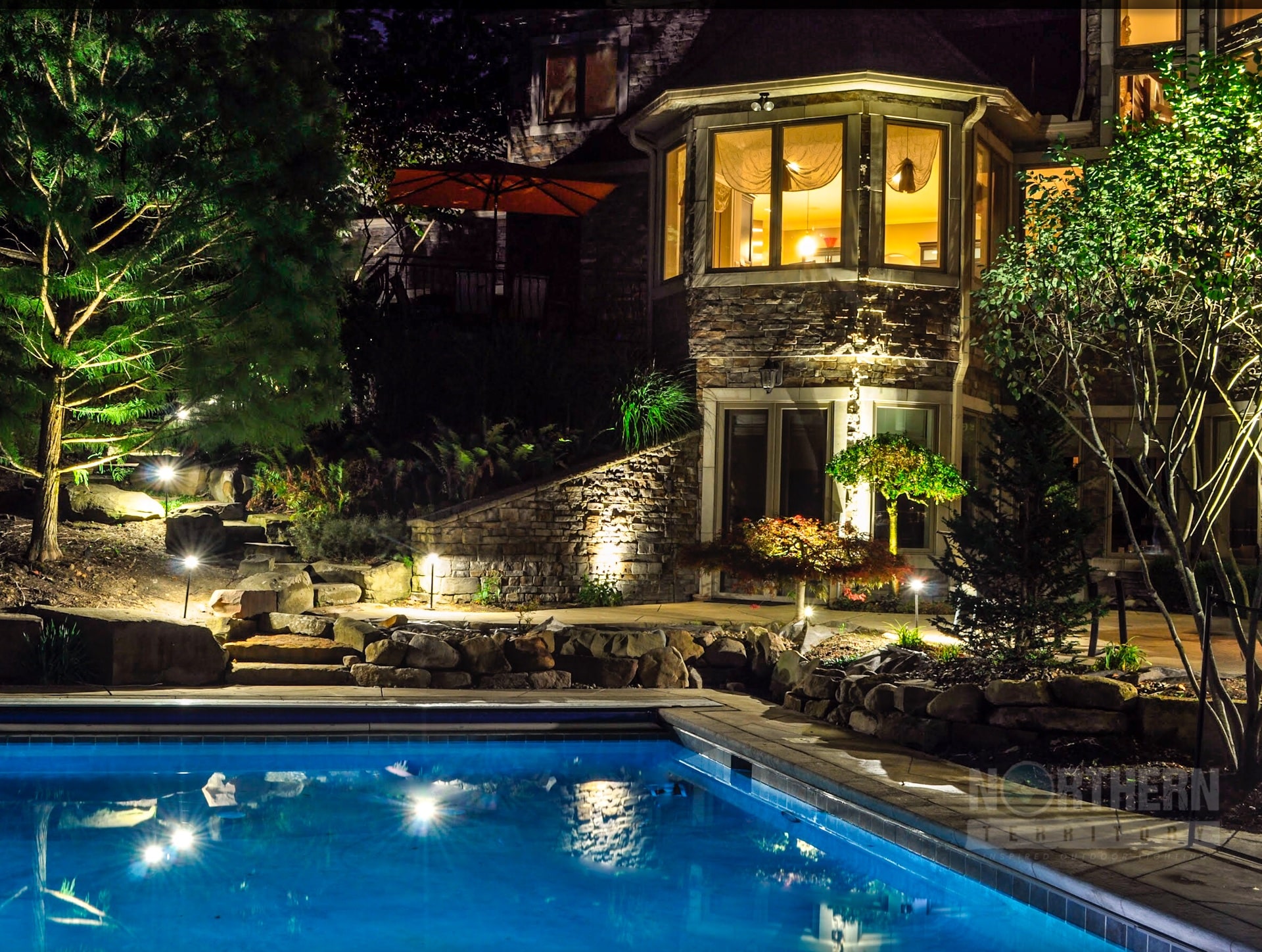
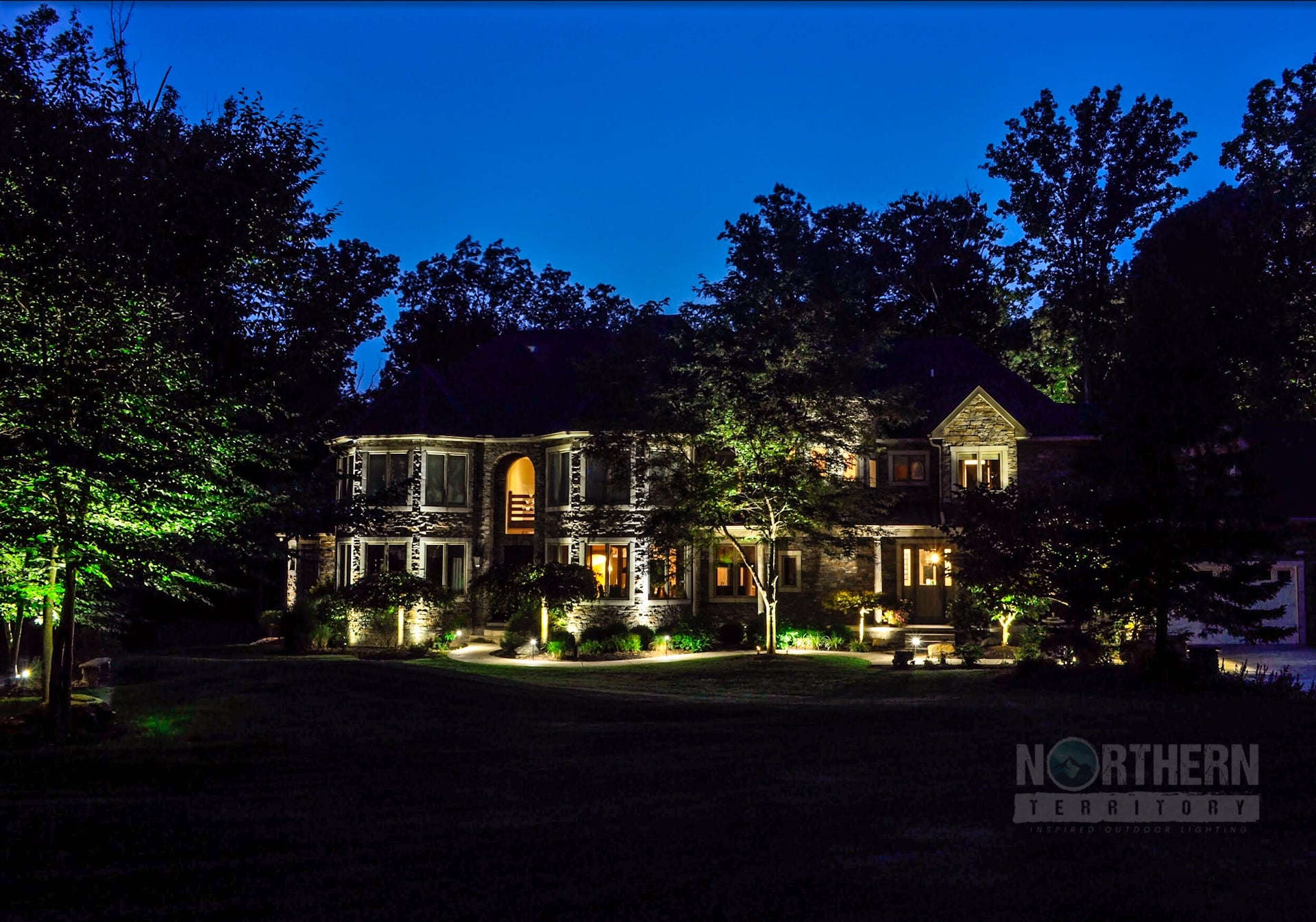
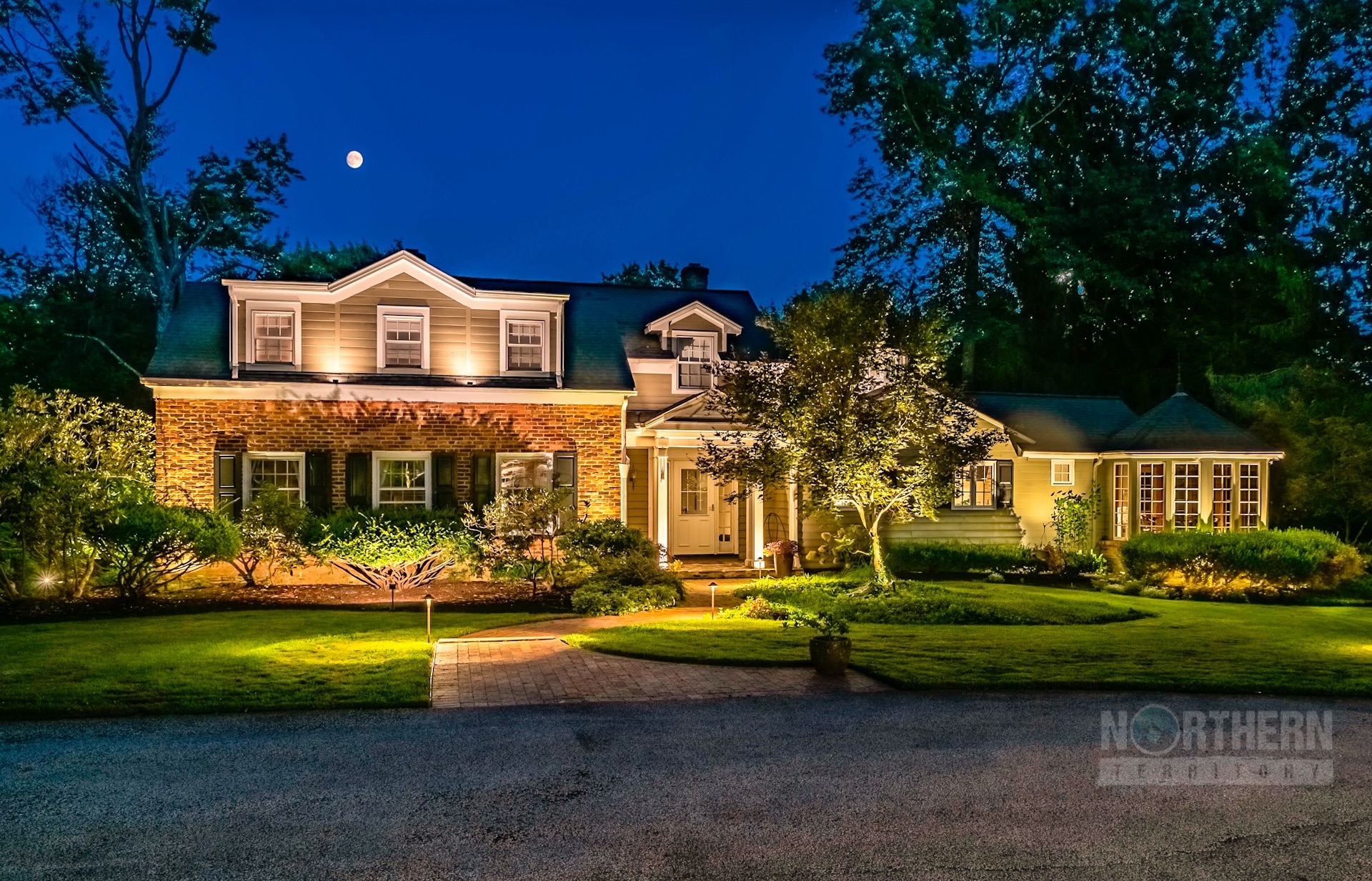
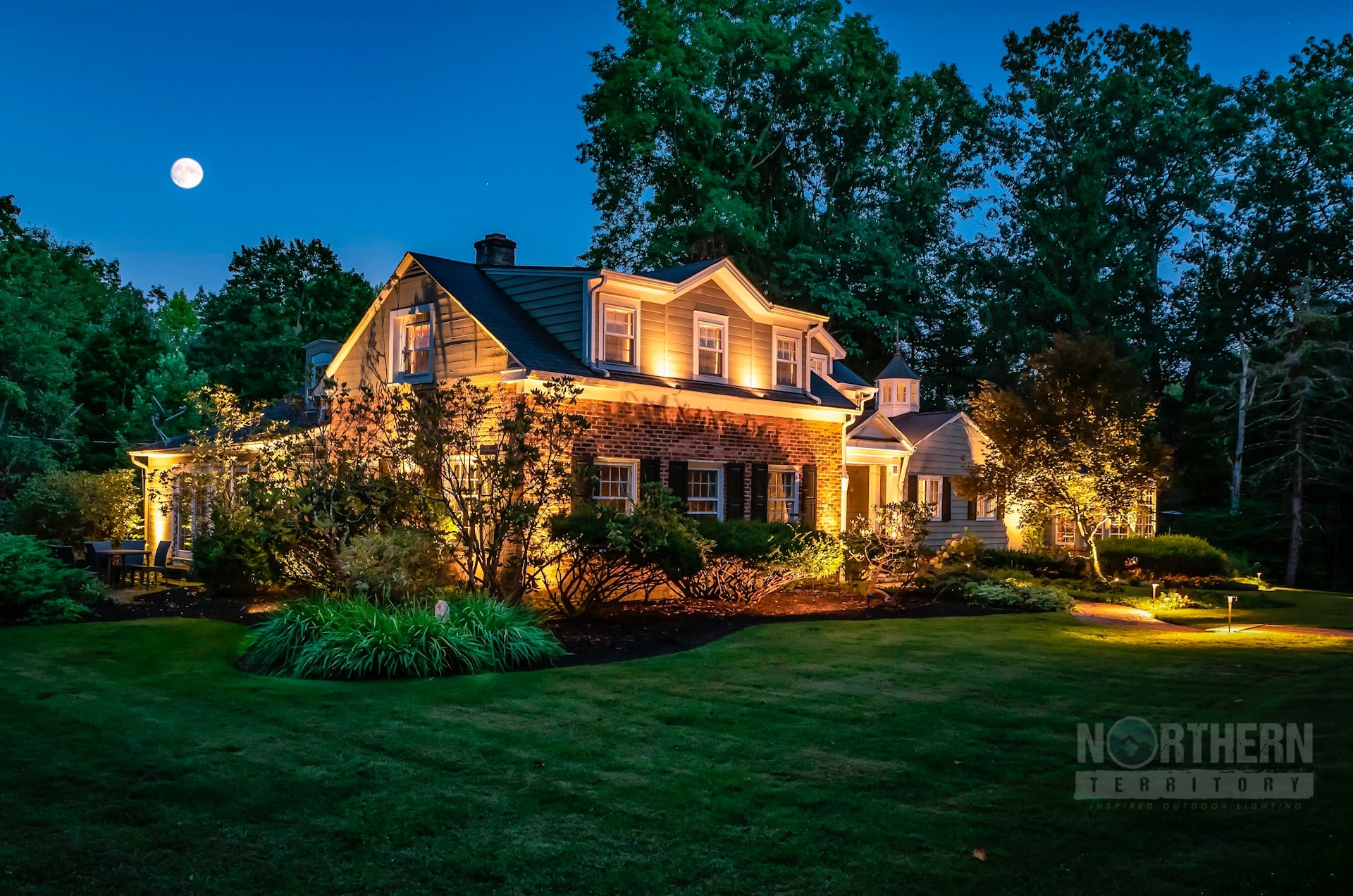
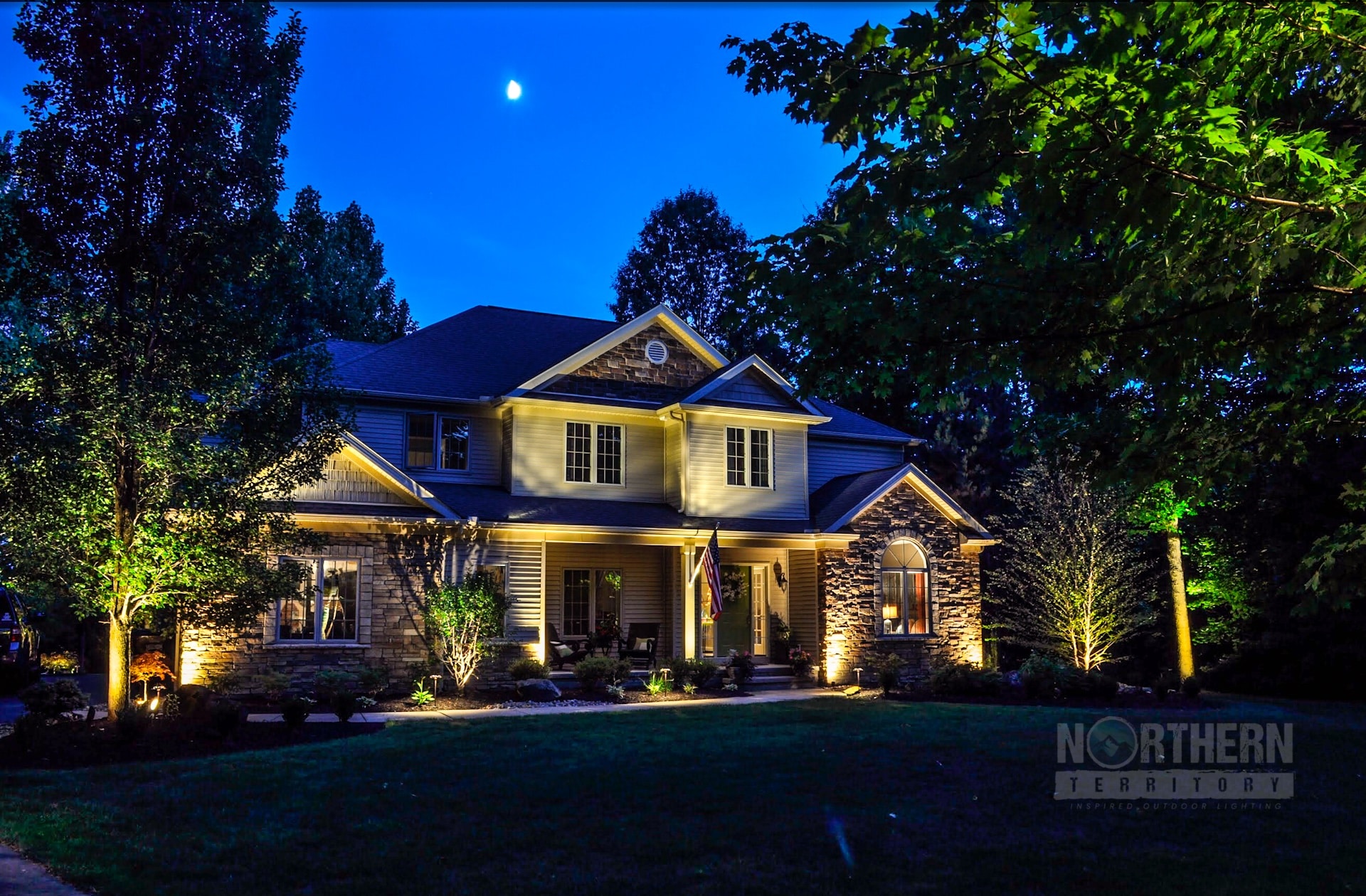
When the sun goes down, your home’s story doesn’t have to fade into darkness. With architectural lighting, you can highlight the unique features of your exterior, create a welcoming ambiance, and improve safety all at once. More than simple illumination, architectural lighting is about design—balancing form and function to transform your property into a work of art after dark.

At Northern Territory Lighting, we carefully design and install residential outdoor lighting systems that accentuate the details that make each home unique. Let’s explore the most common types of architectural lighting and how they can enhance your exterior.

Types of Architectural Lighting for Your Exterior

Uplighting

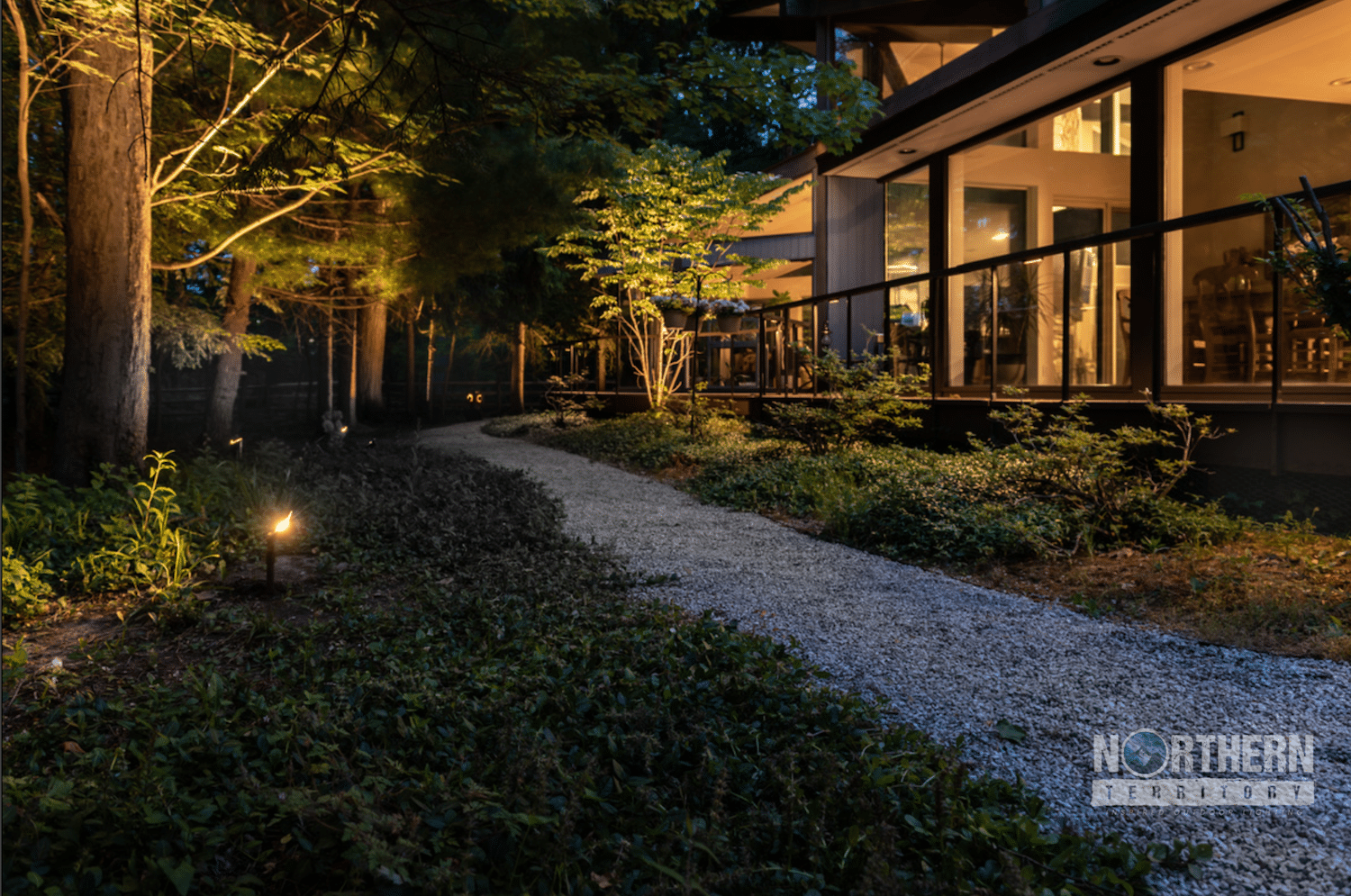
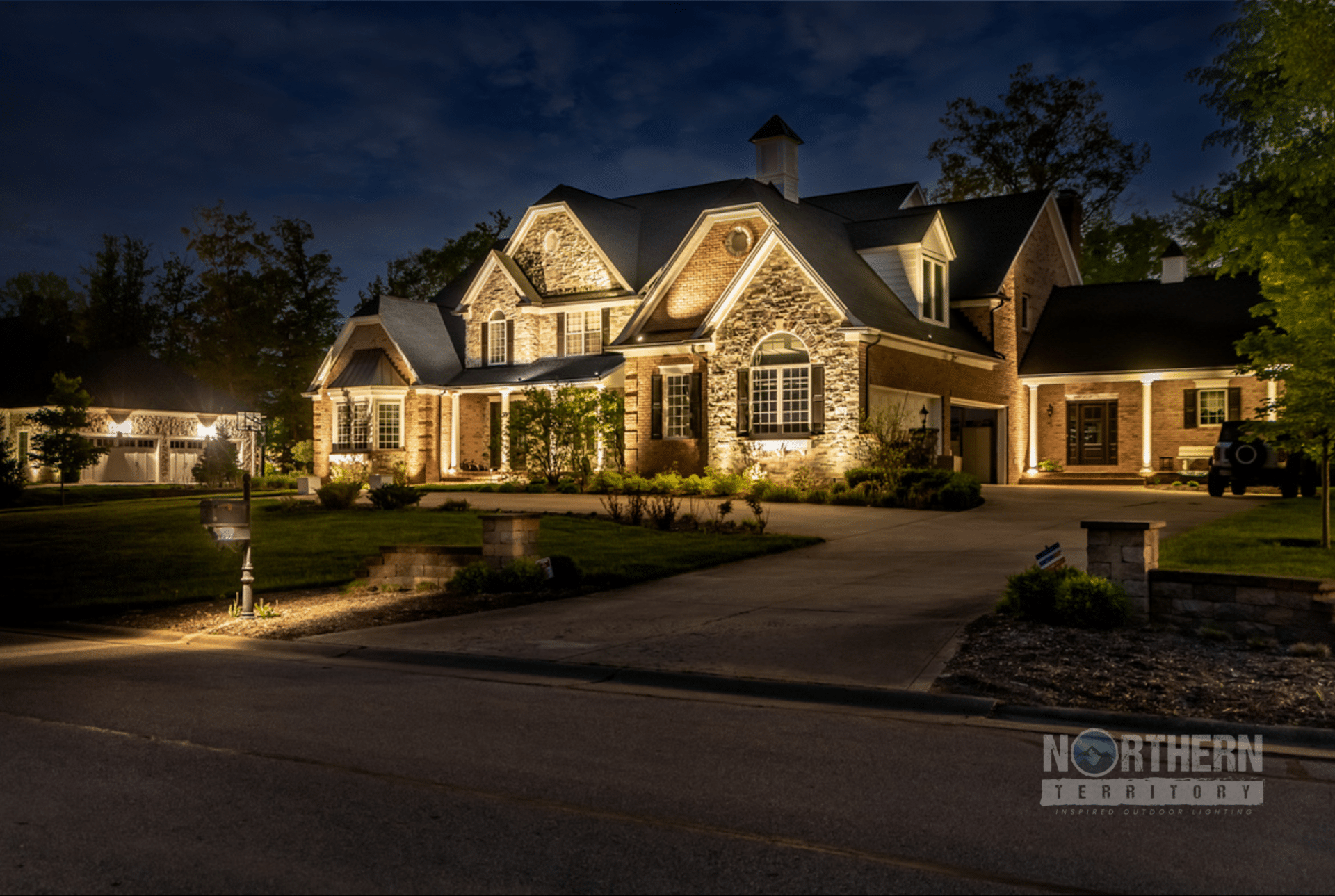
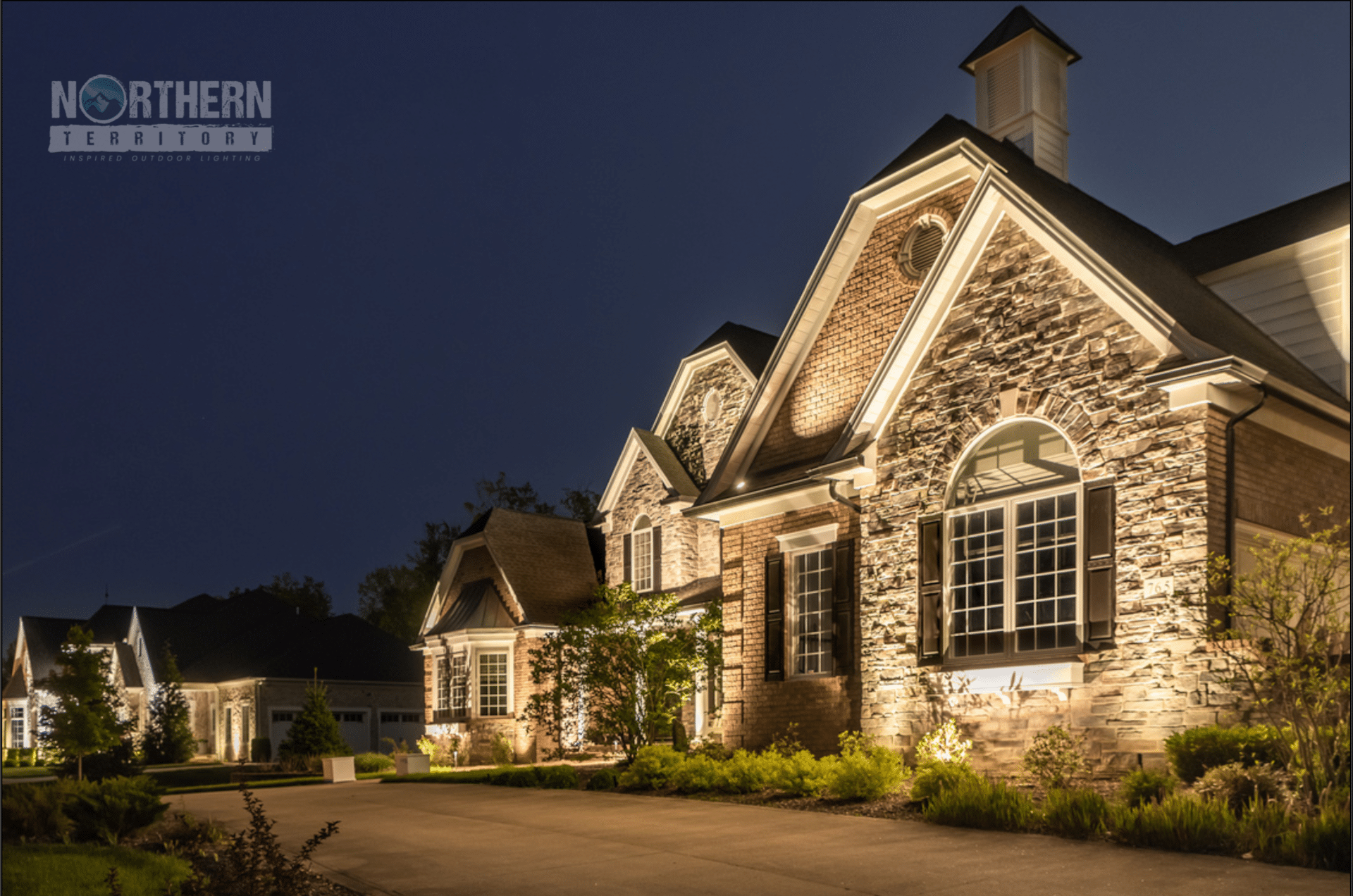
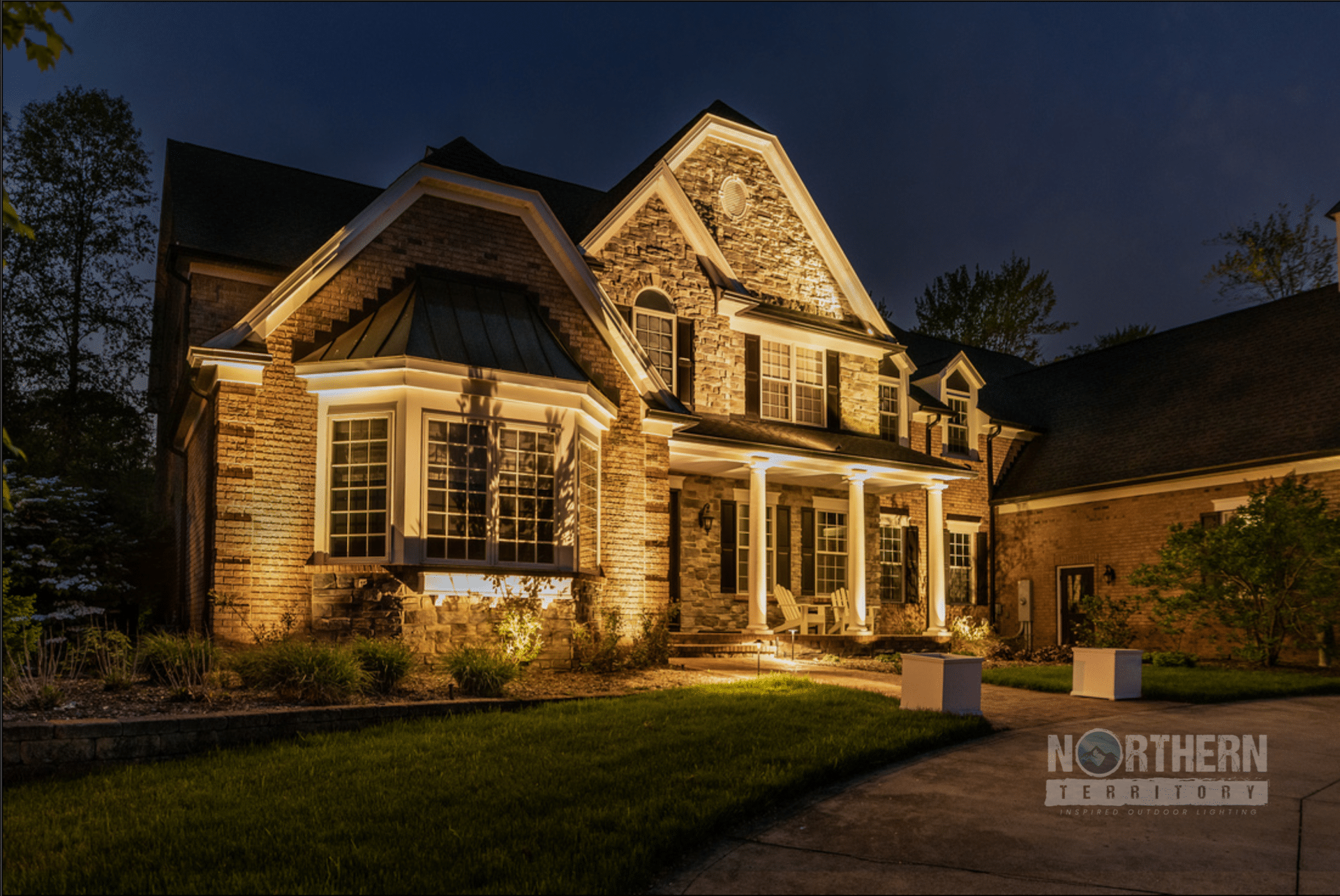
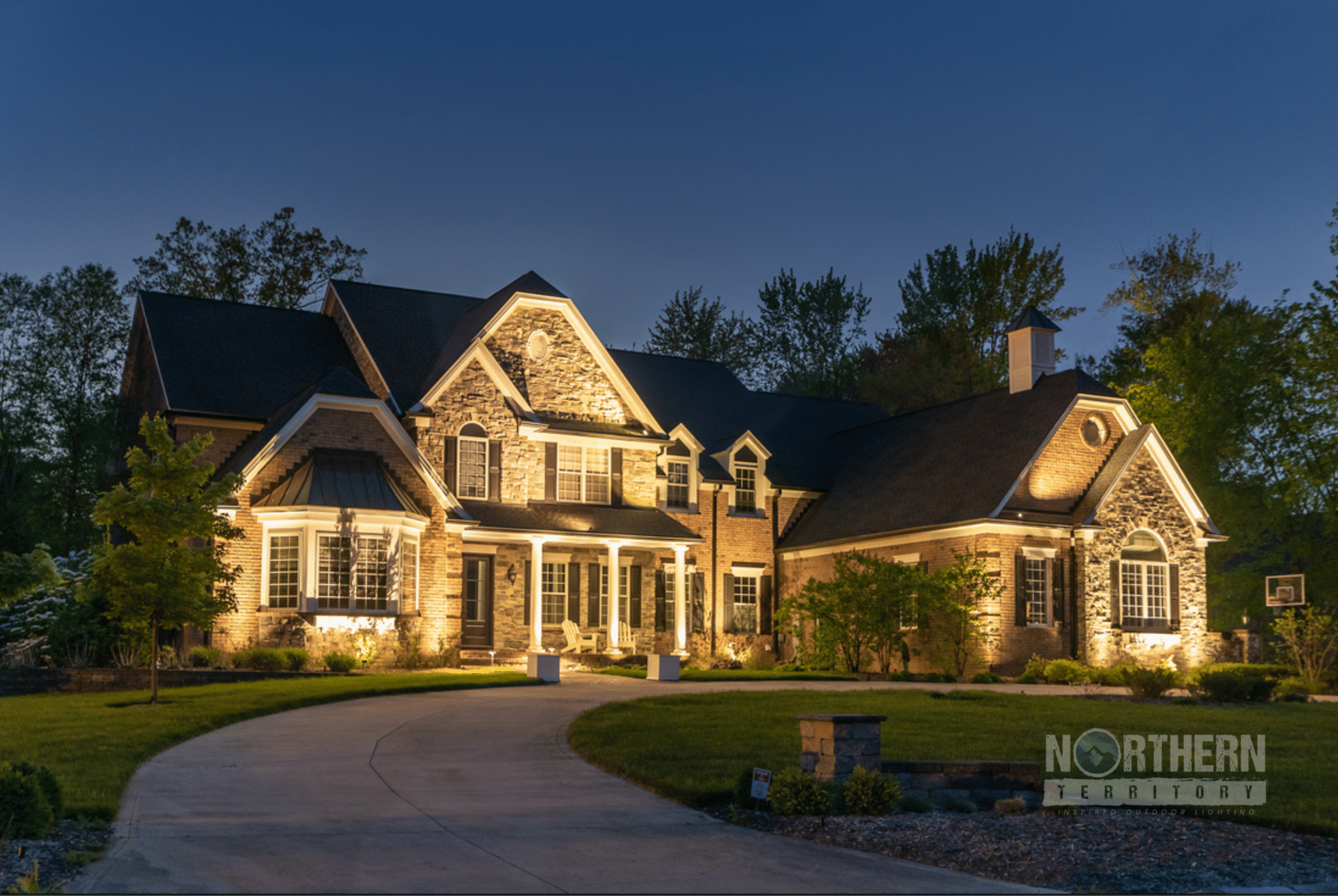
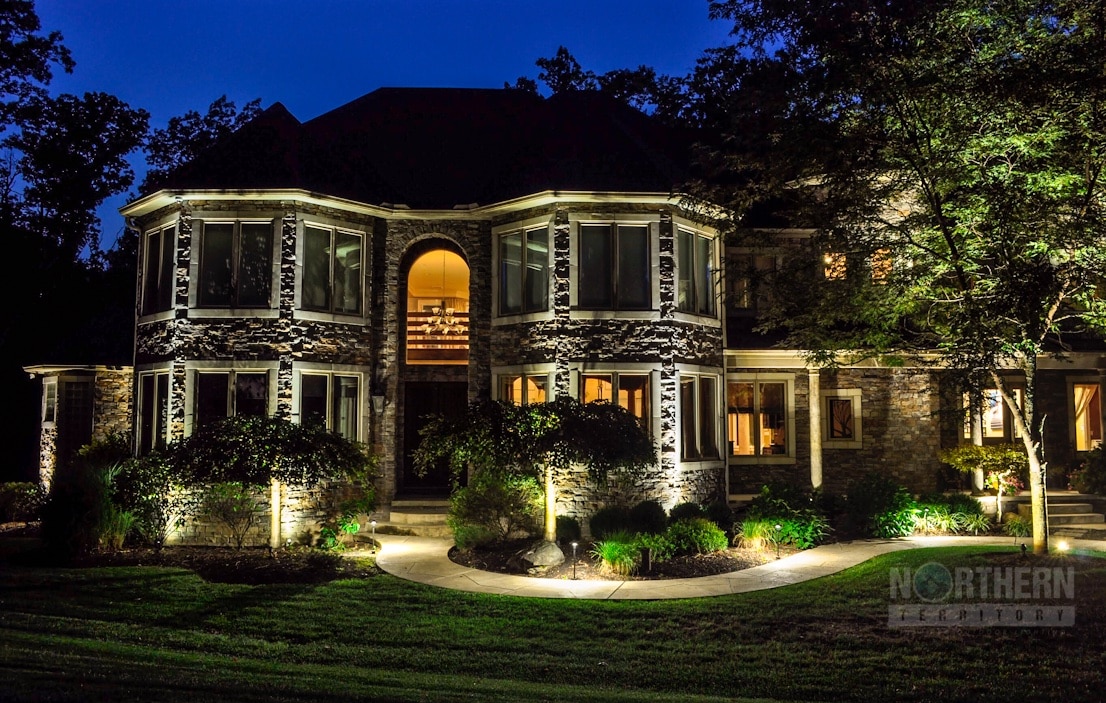
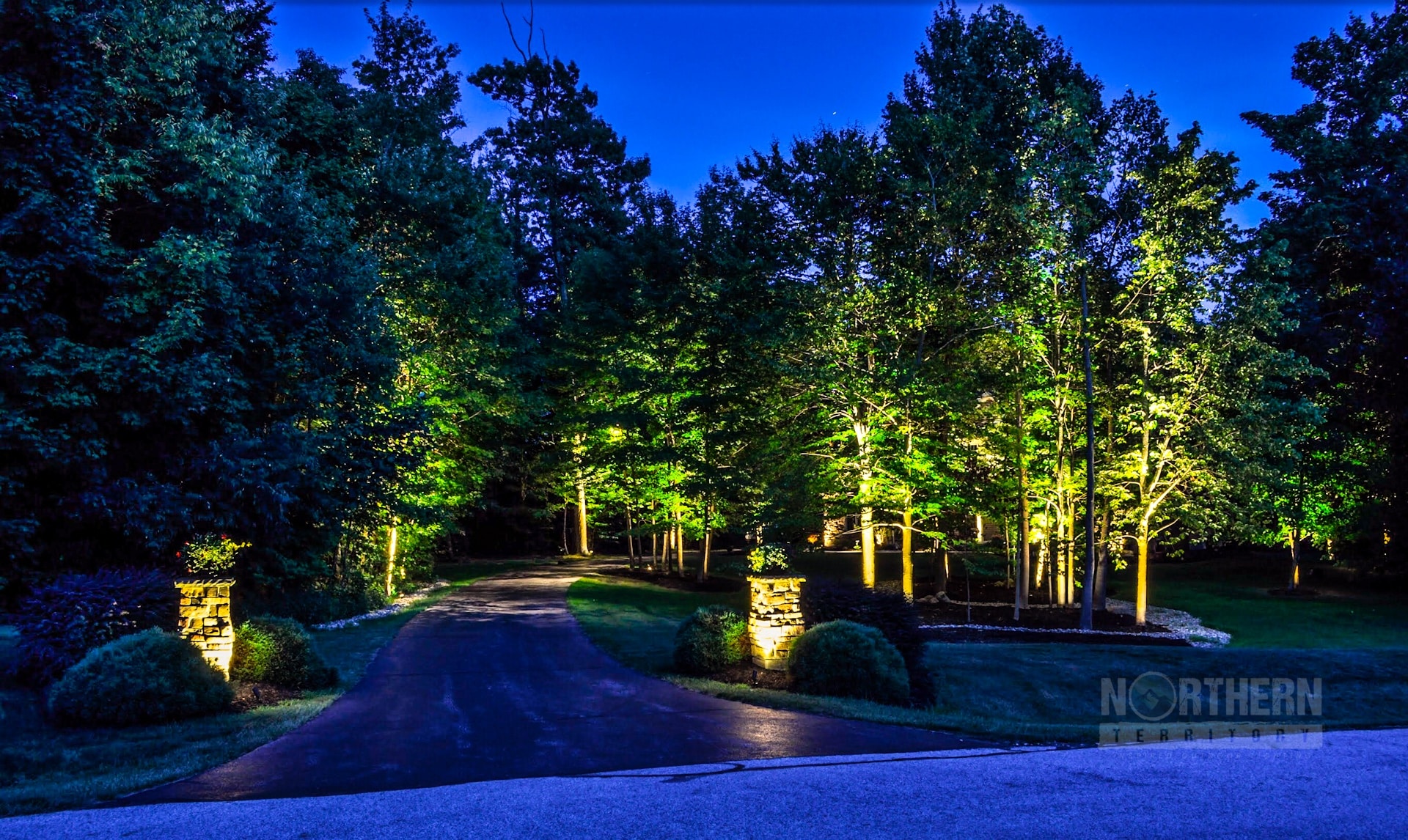
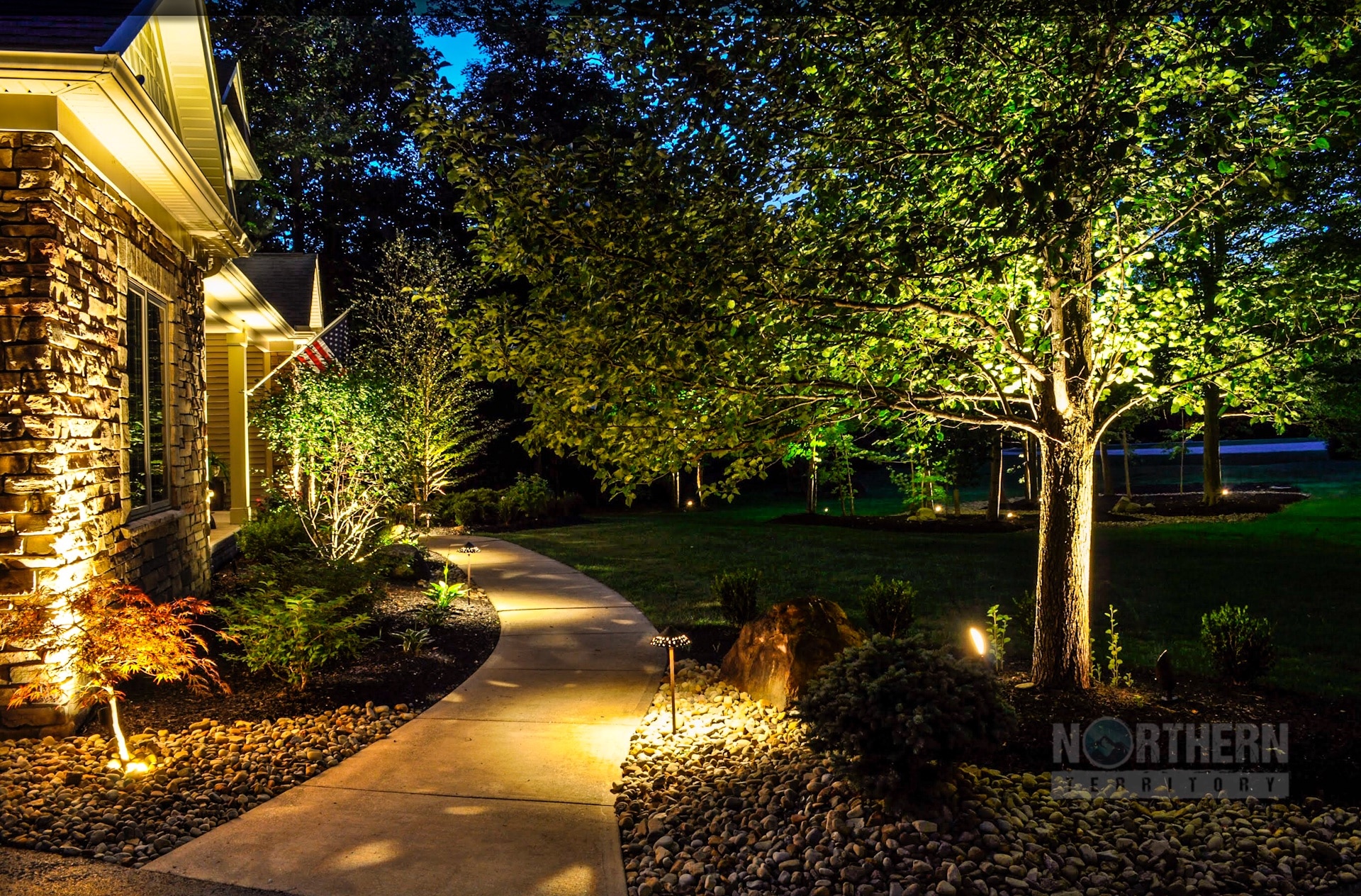
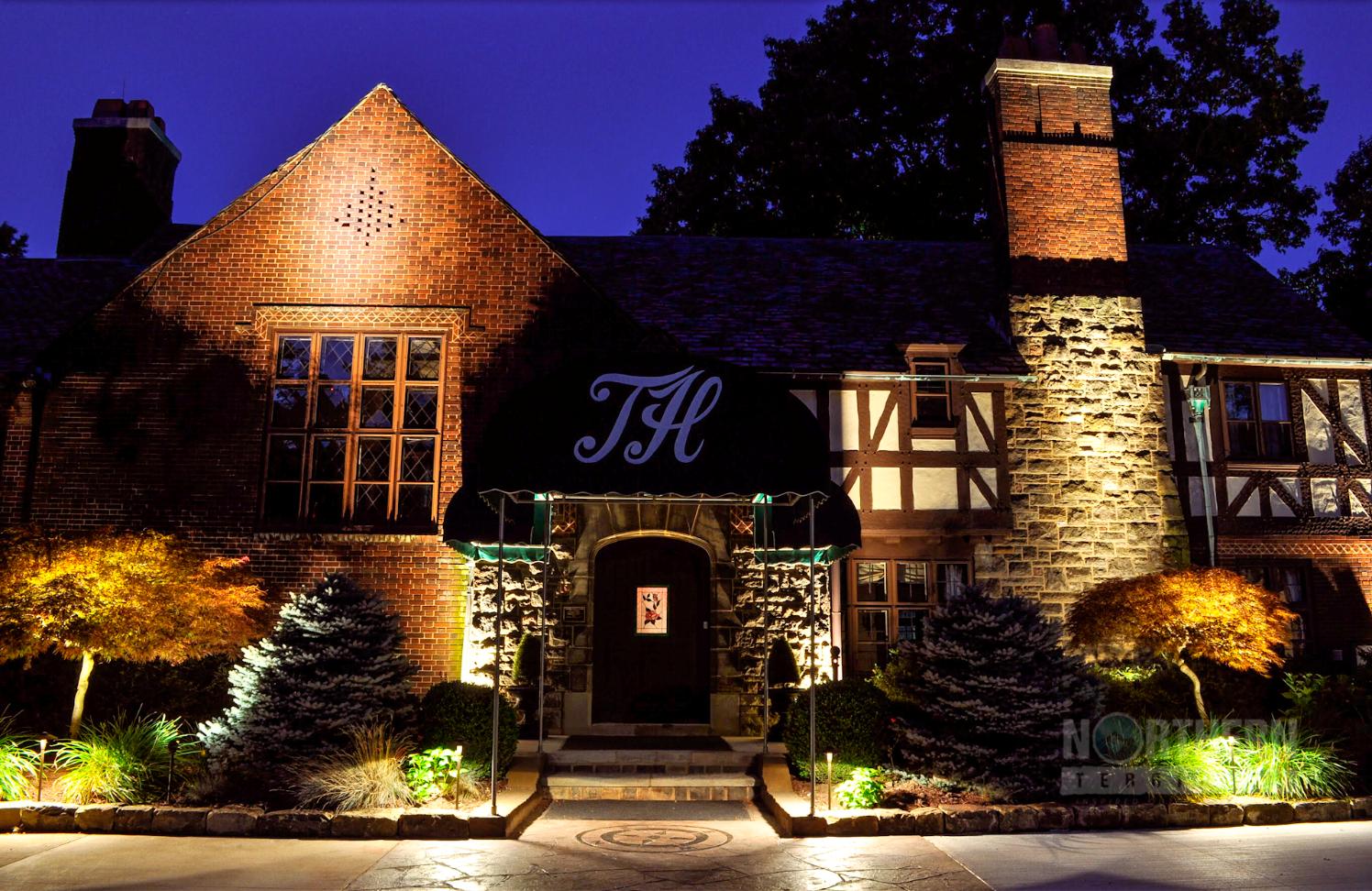
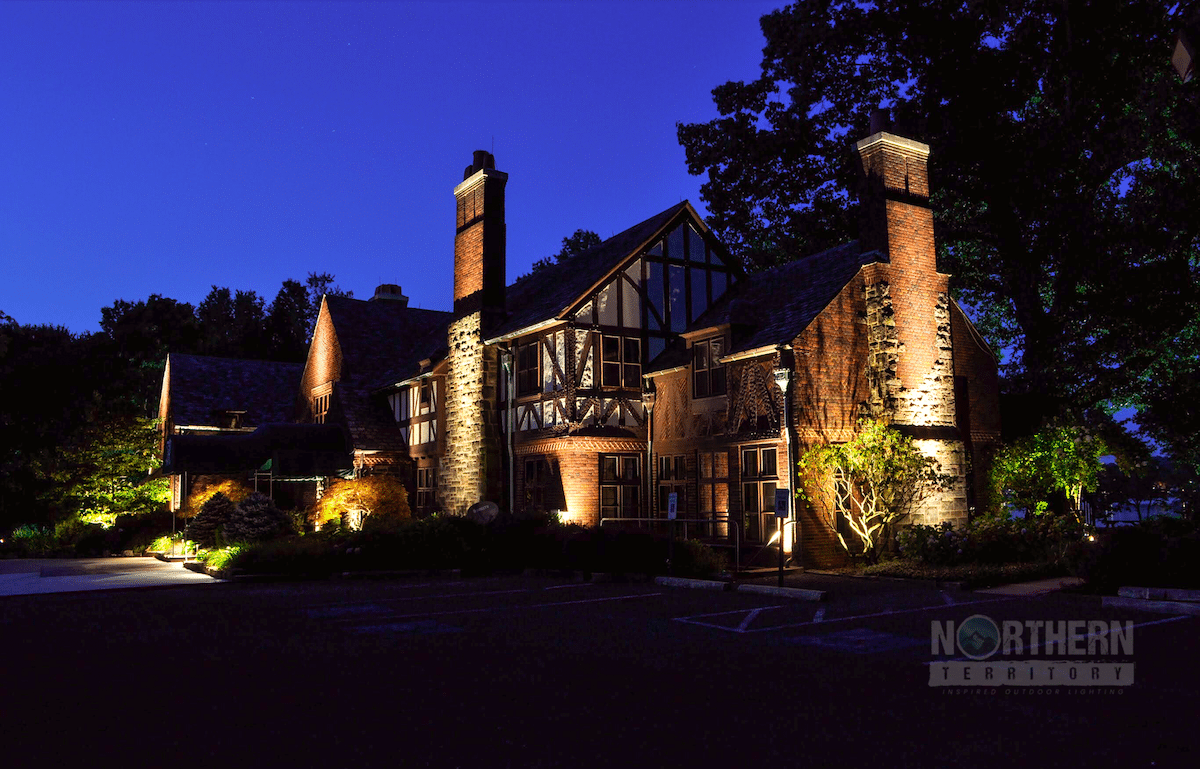
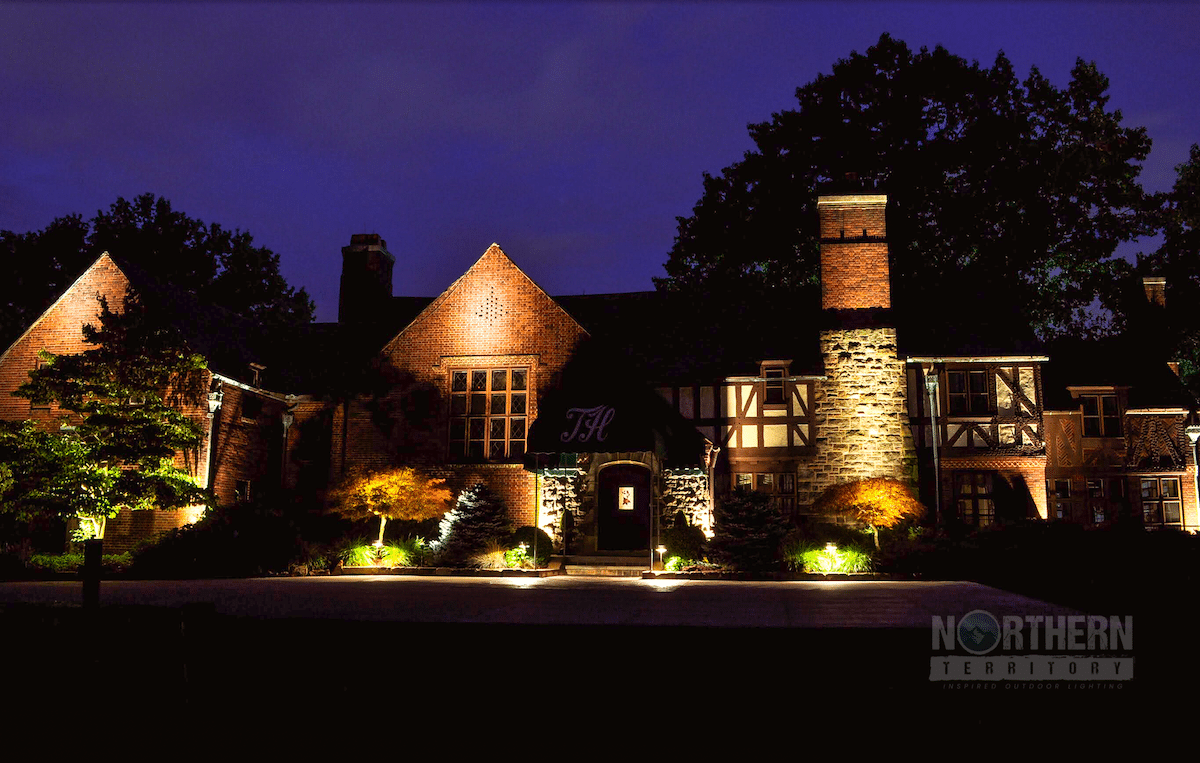
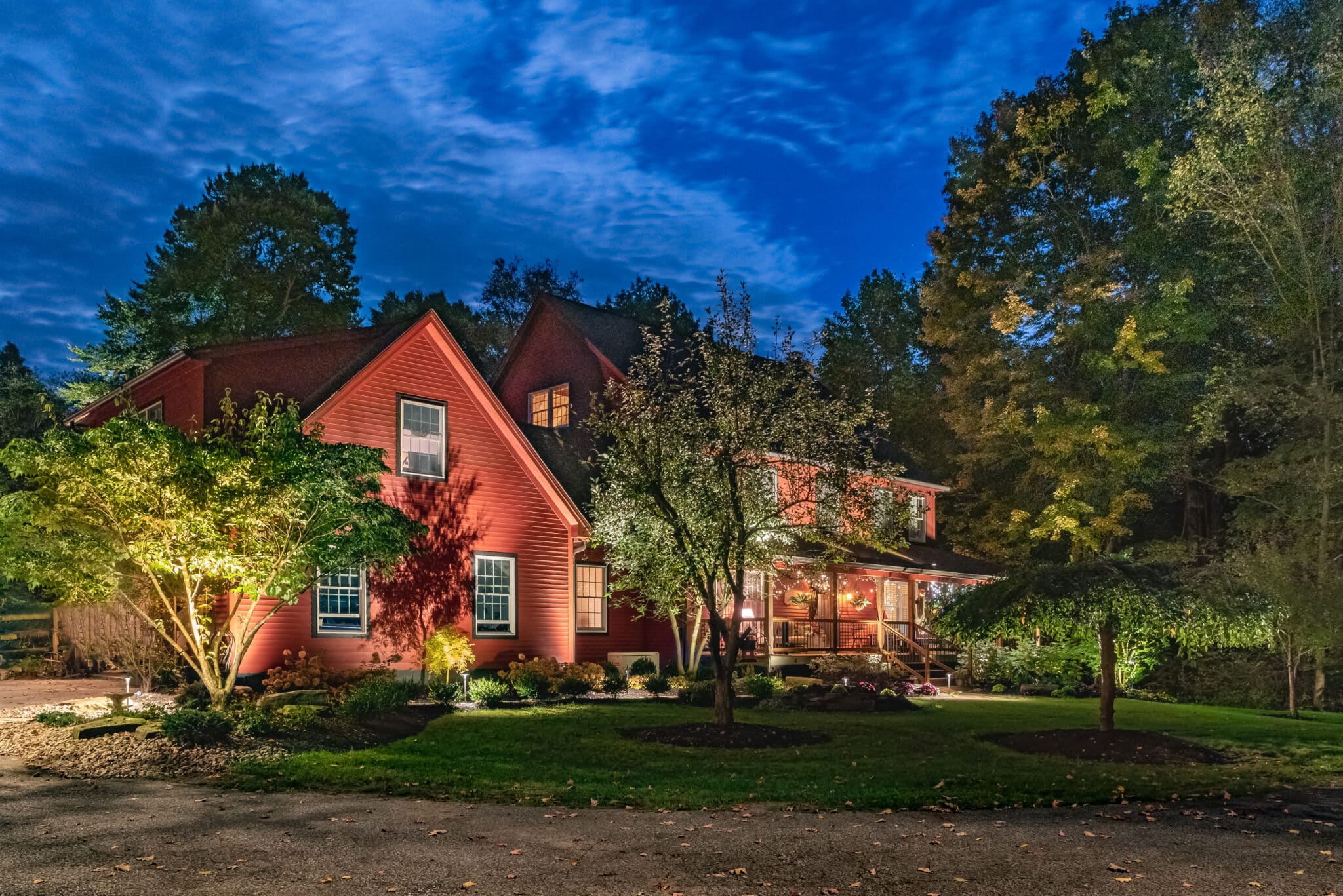
Uplighting directs beams of light upward, making it perfect for emphasizing architectural details like columns, stone walls, or tall facades. This technique adds drama and depth, giving your home a sophisticated nighttime presence.

Best for:
Highlighting textures in brick or stone
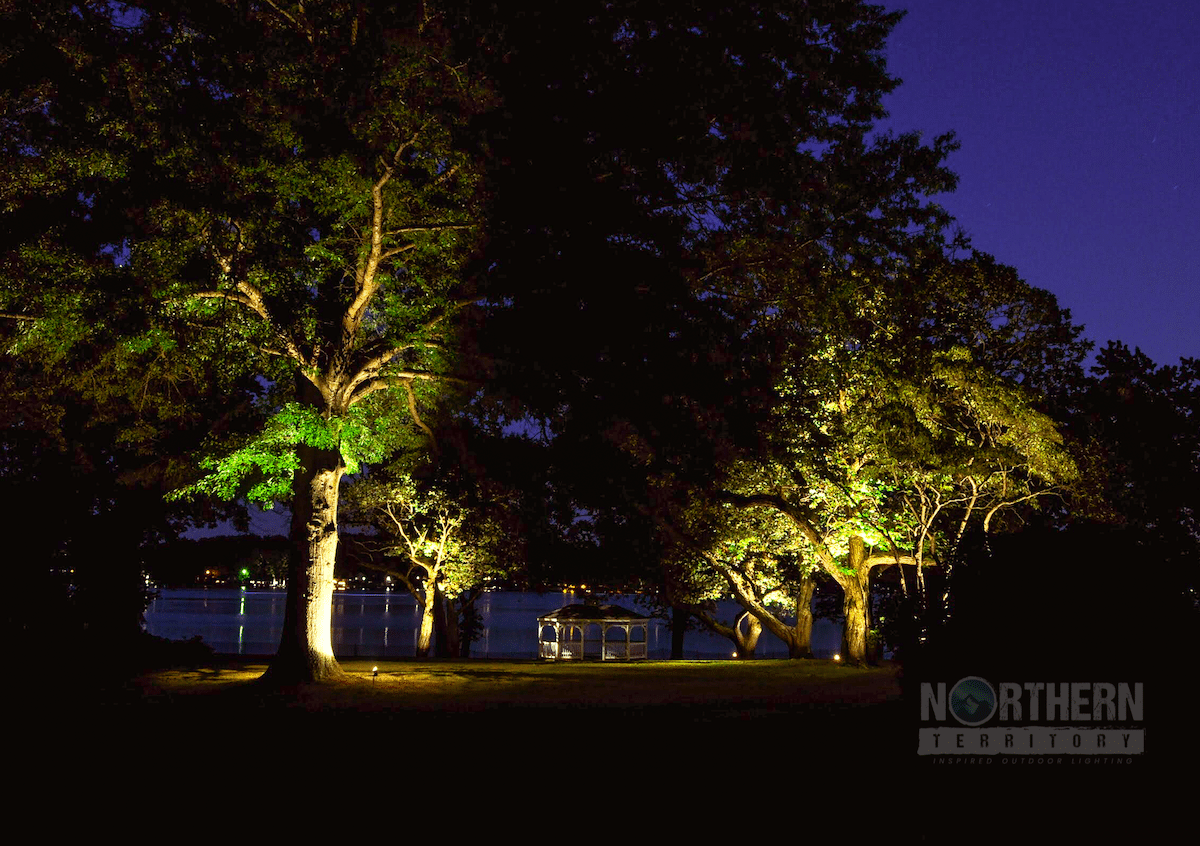
Creating striking silhouettes of trees or structures
Adding elegance to entryways and focal points

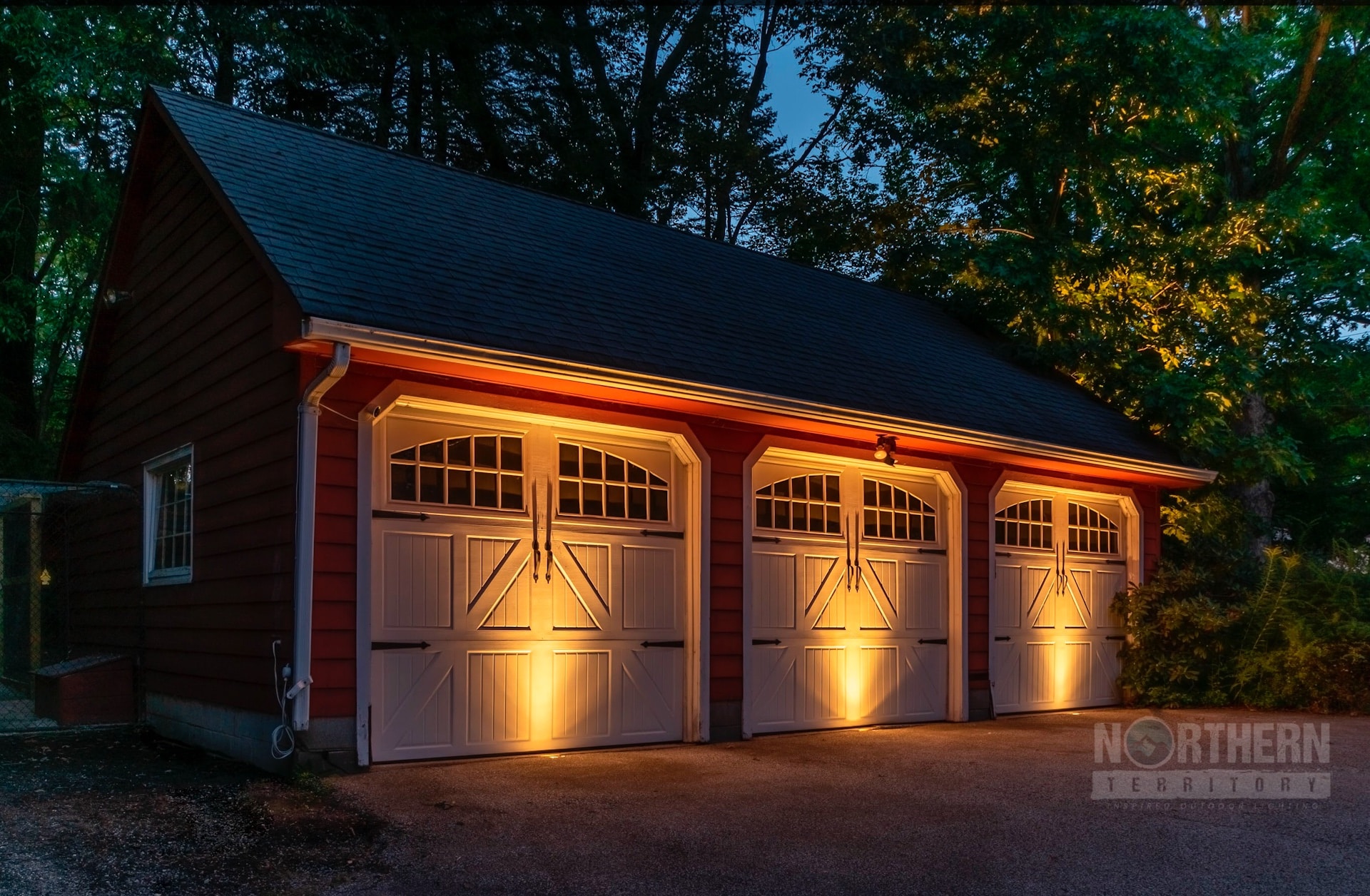
Downlighting

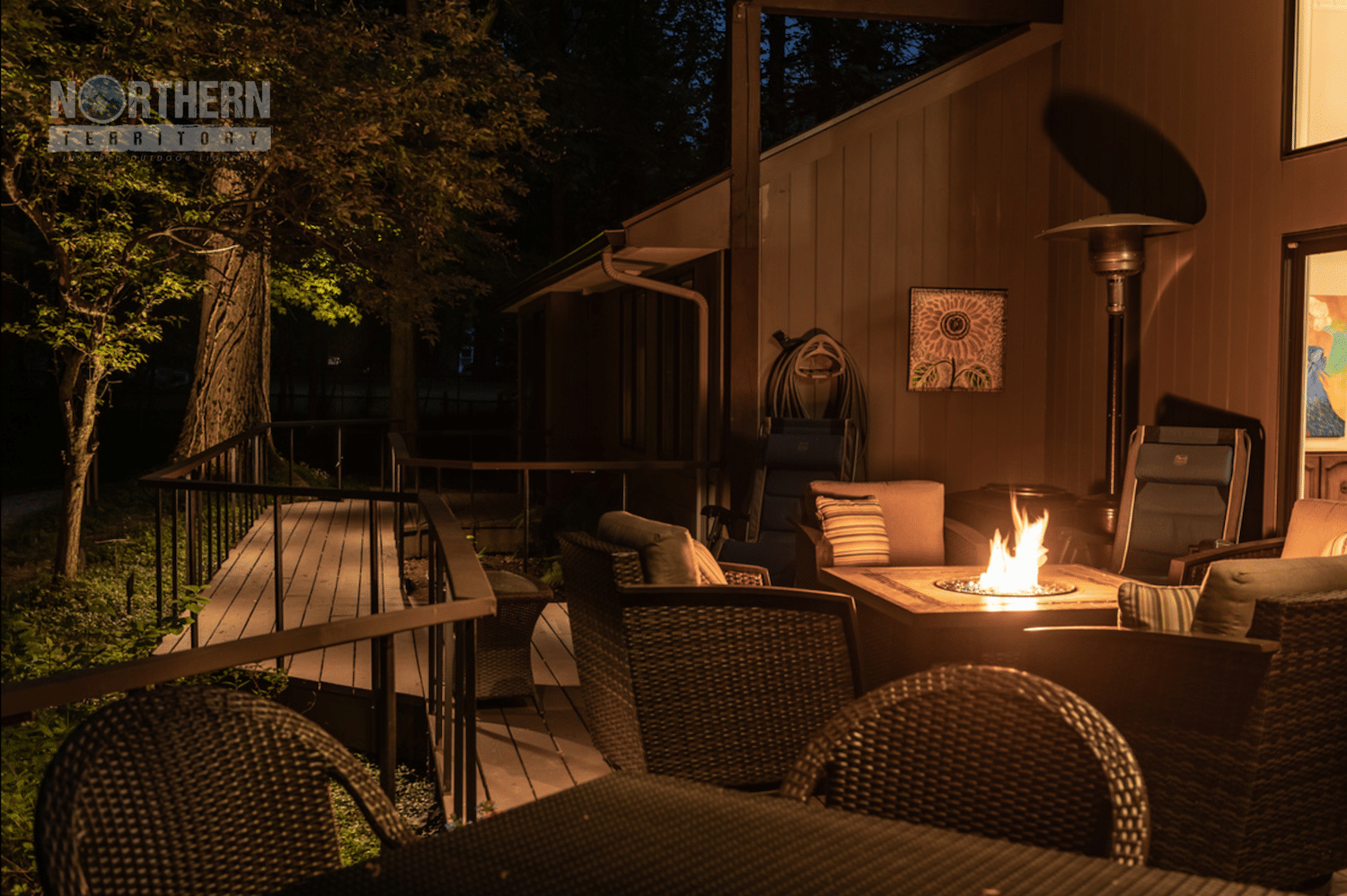
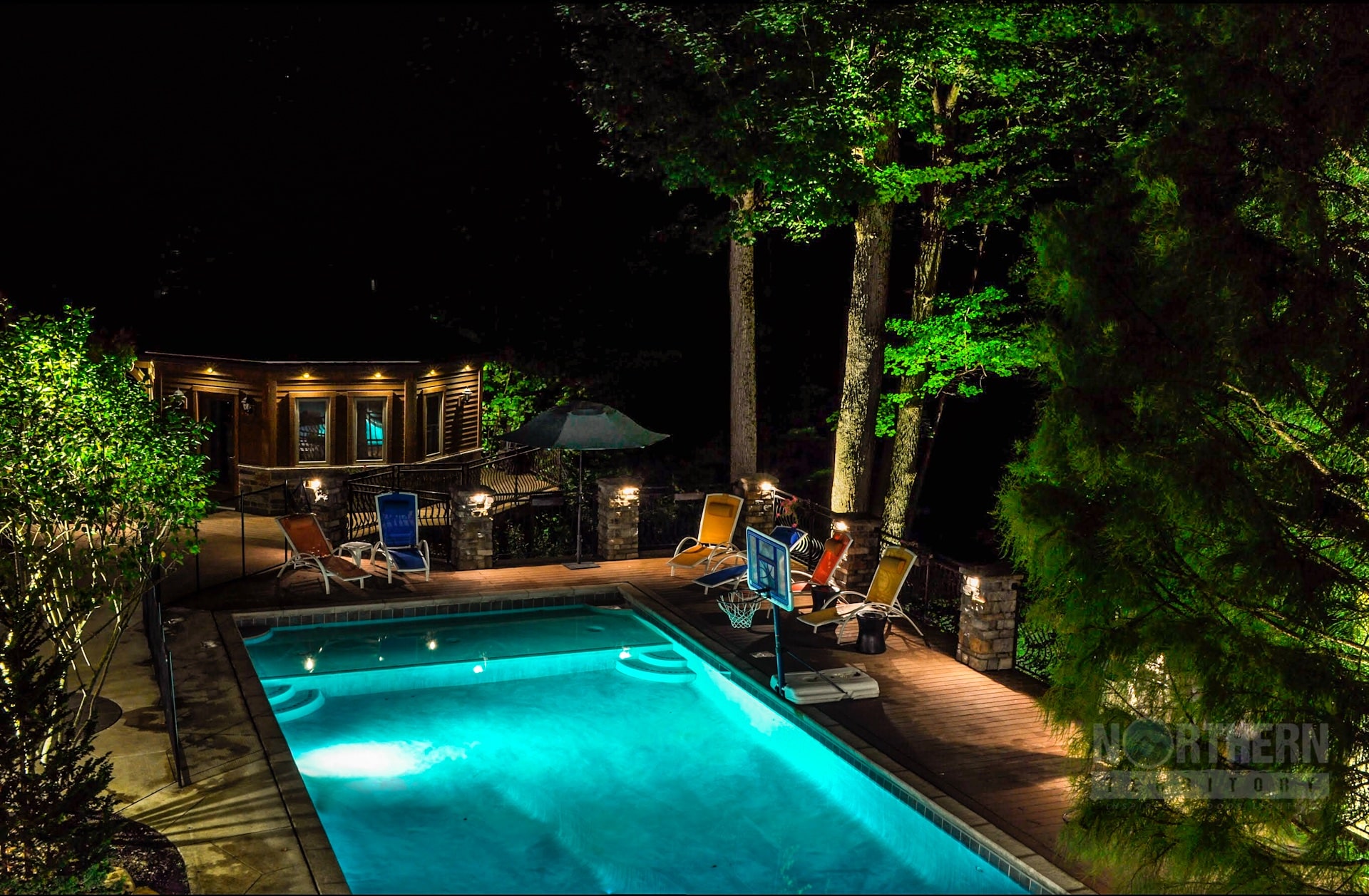
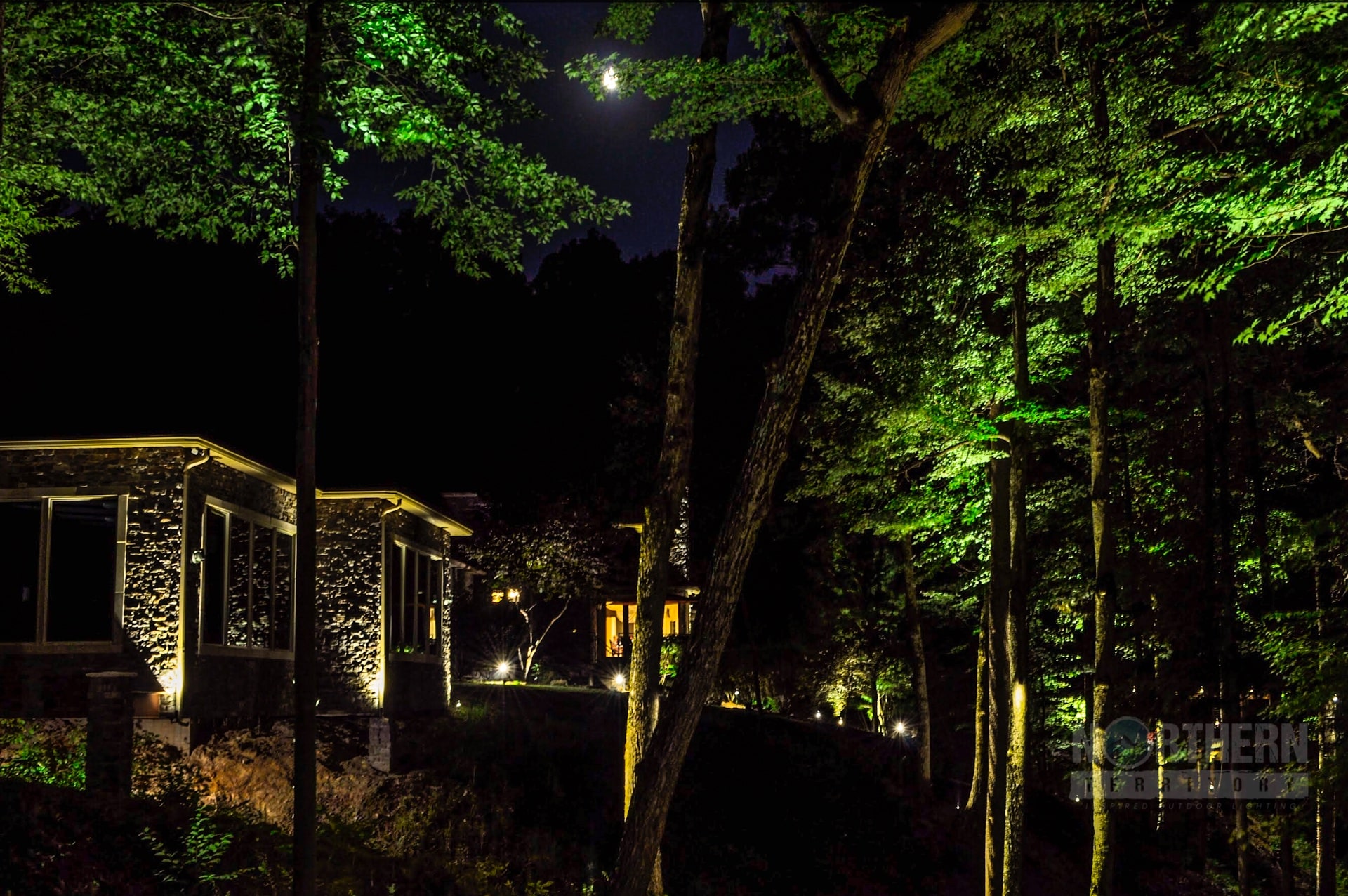
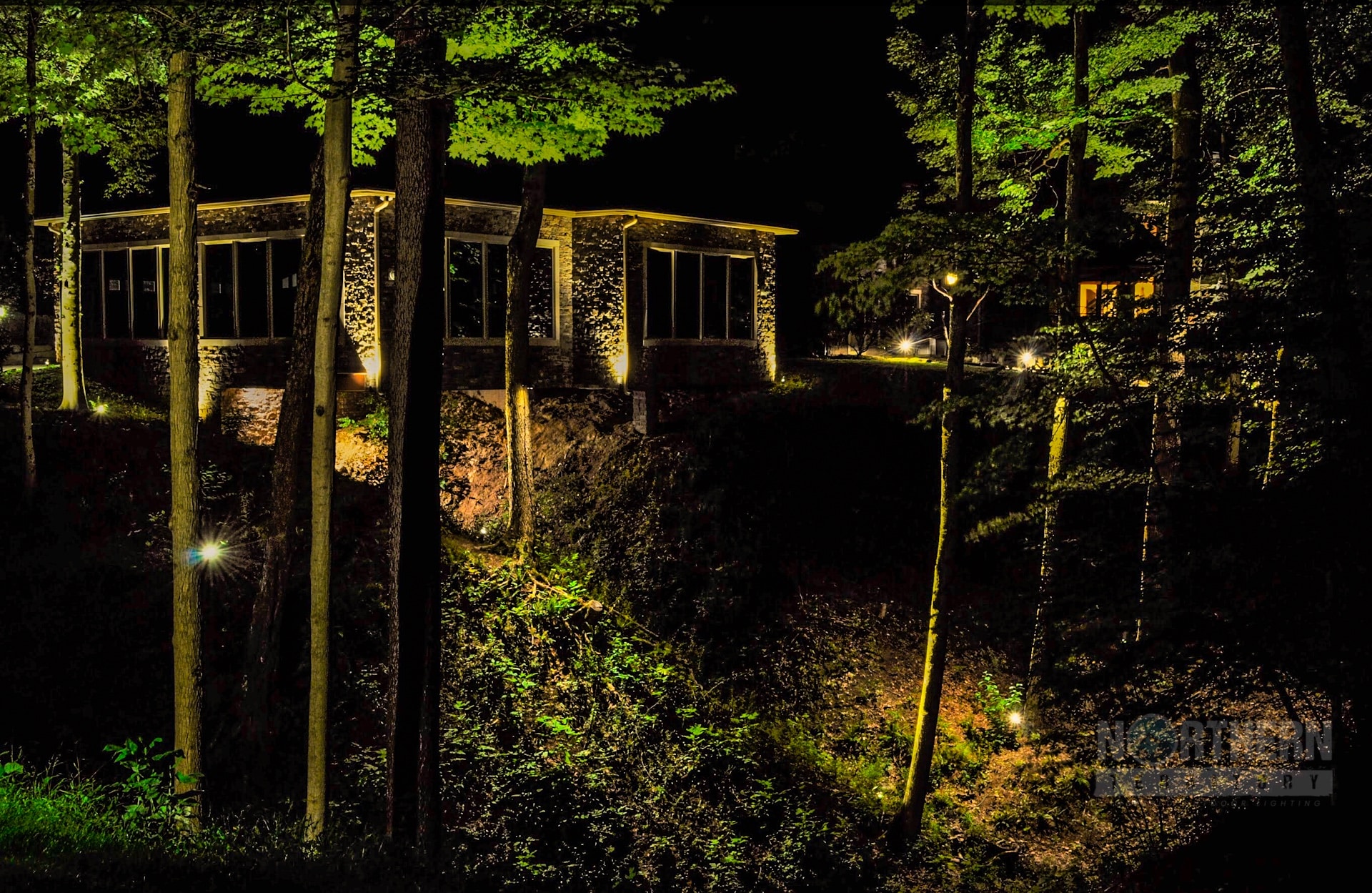
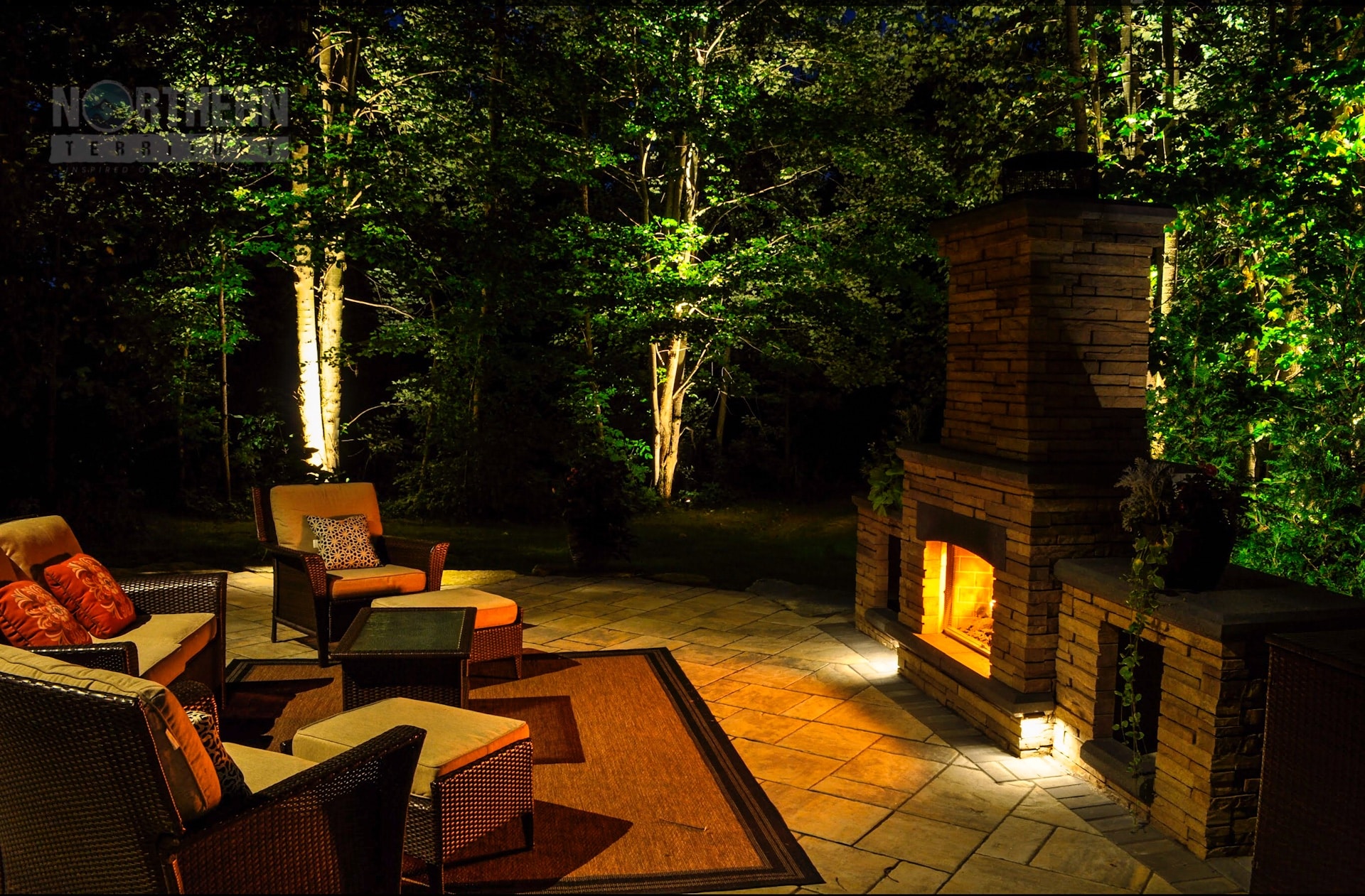
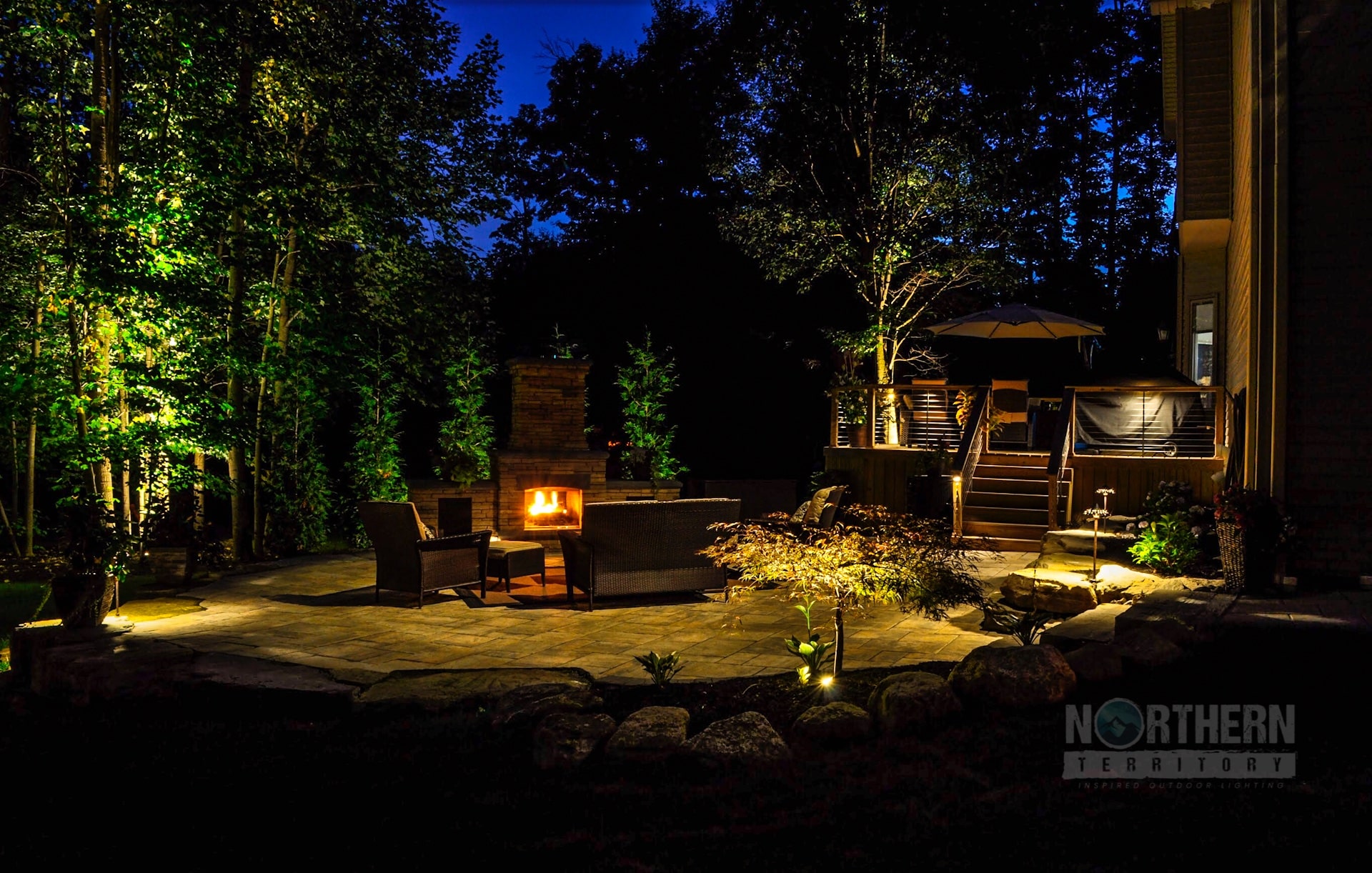
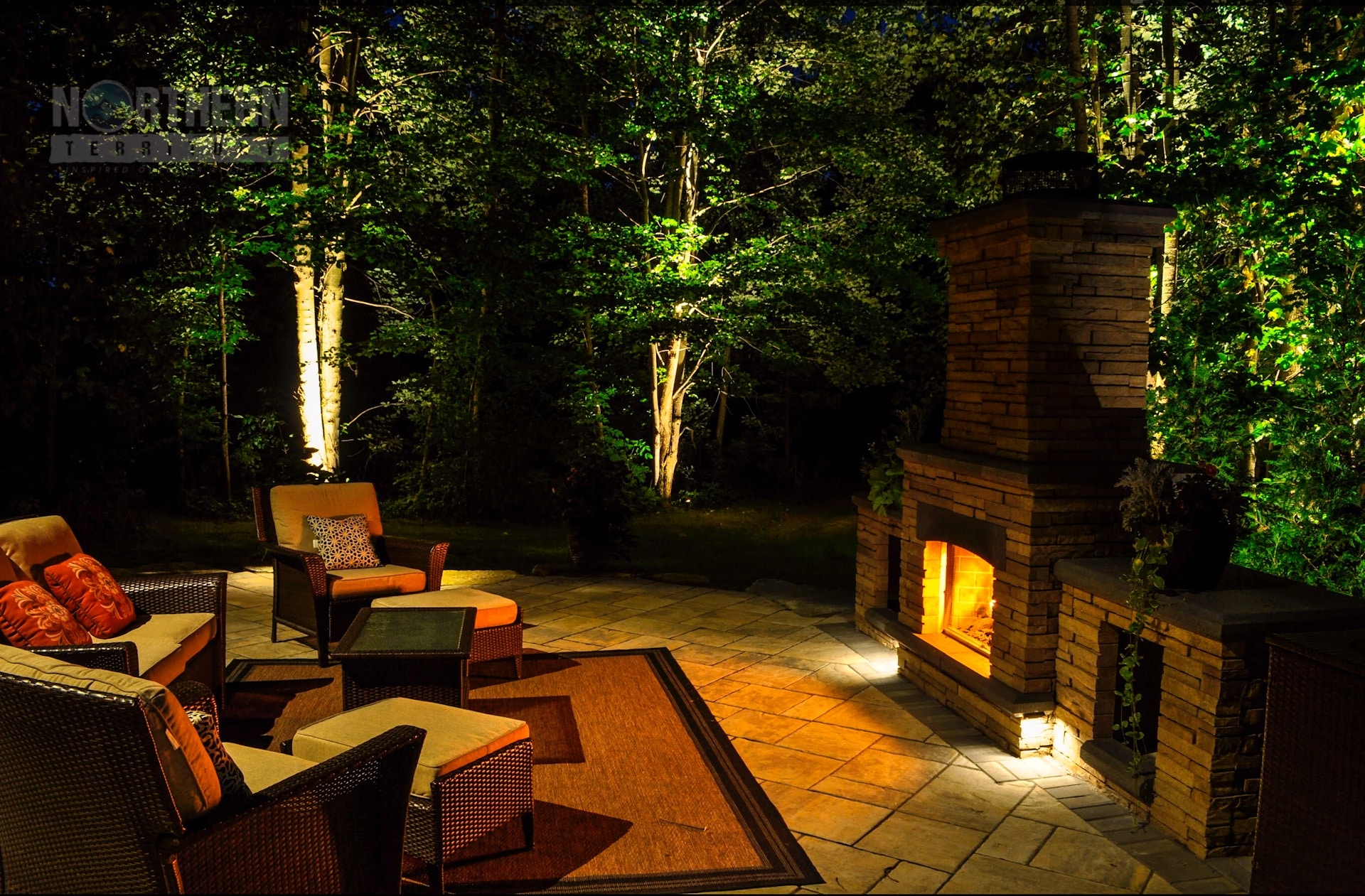
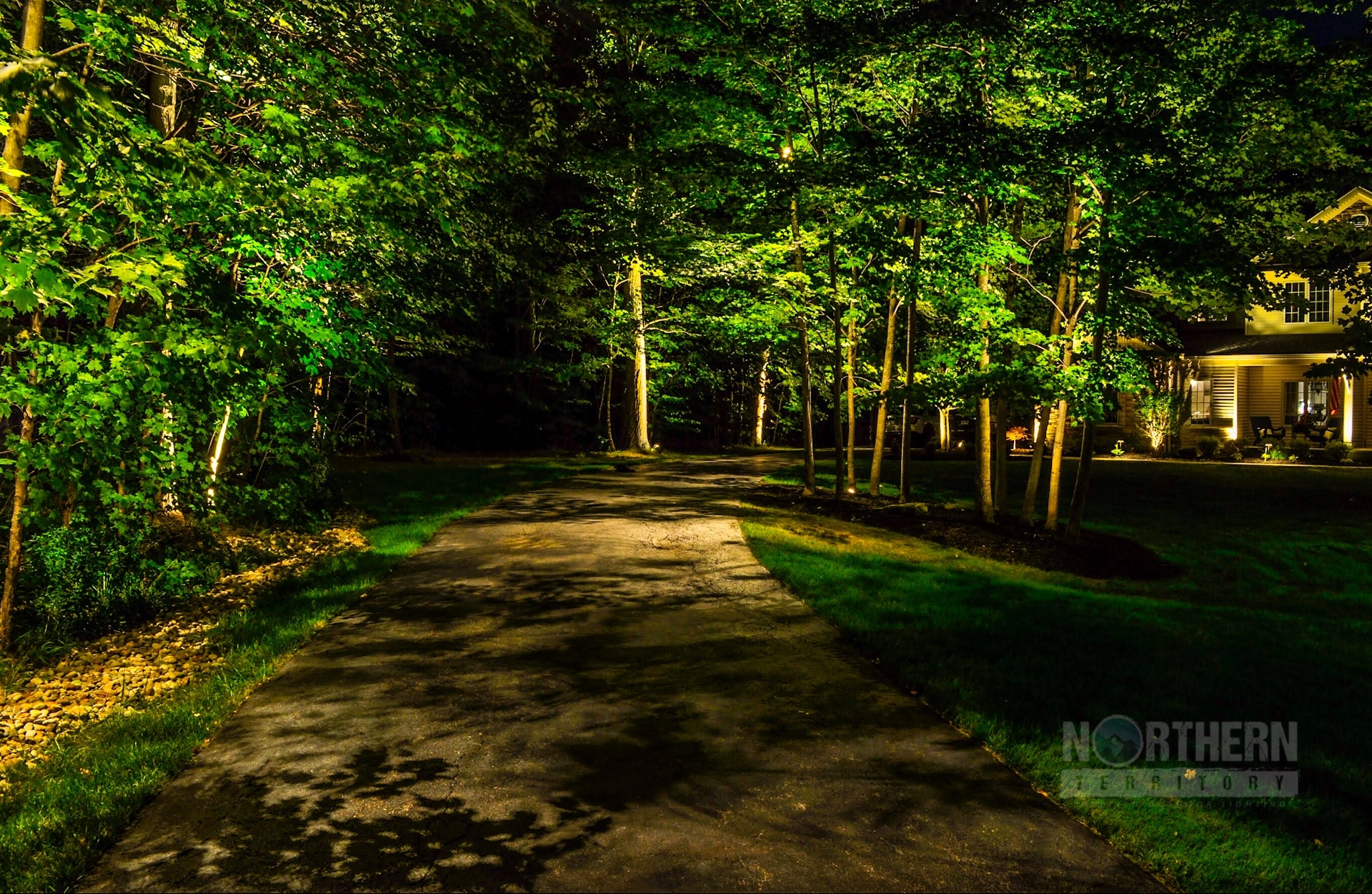
Downlighting mimics natural light by directing illumination from above. Fixtures can be installed in overhangs, soffits, or even high in trees to create a moonlit effect.

Best for:
Lighting patios, decks, and outdoor seating areas
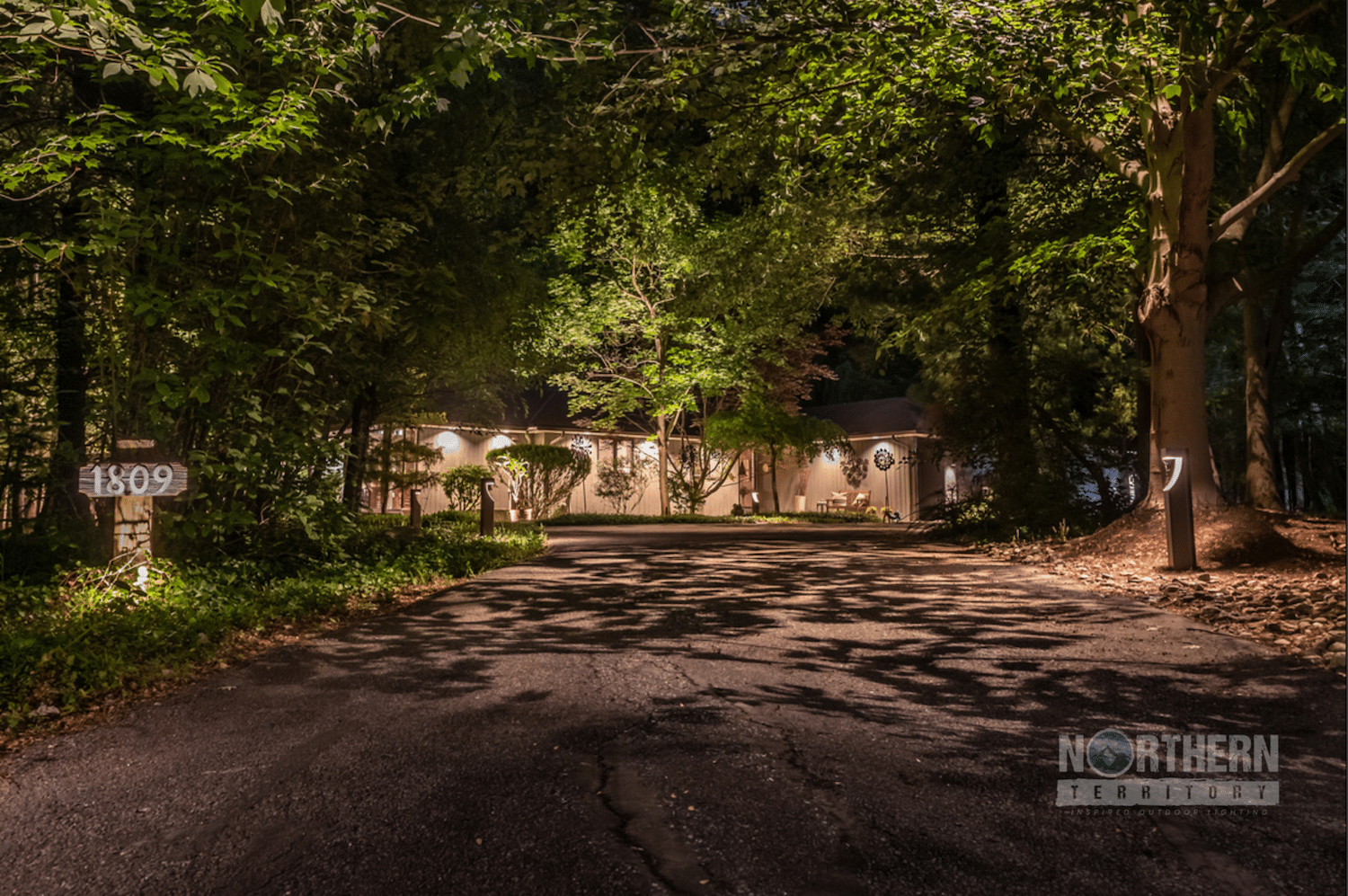
Adding subtle illumination to walkways and driveways
Enhancing safety without overwhelming brightness

Well Grazing

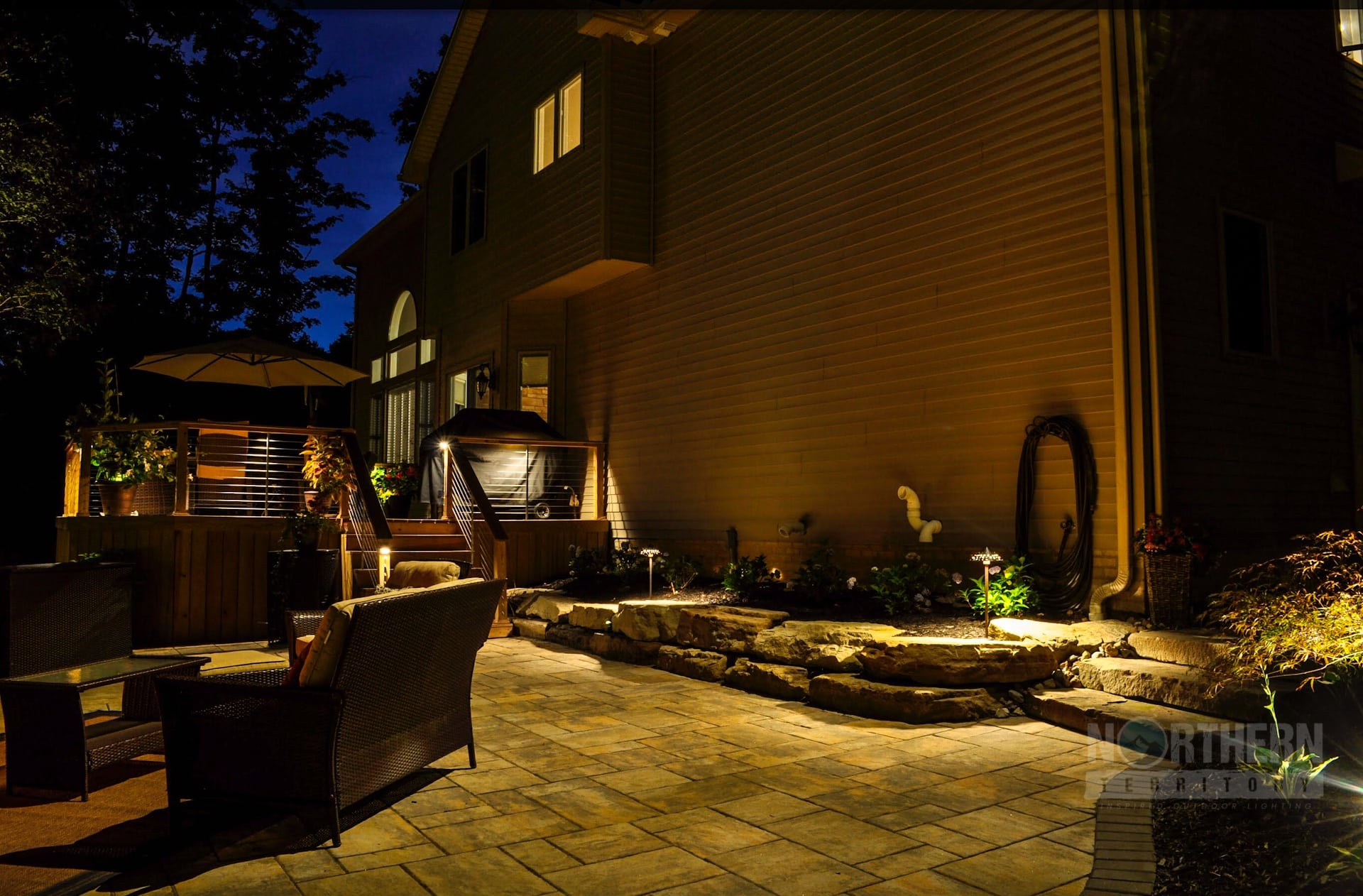
This technique involves placing lights close to a vertical surface so the beams graze the texture. Wall grazing draws attention to the craftsmanship of your home’s exterior materials.

Best for:
Showcasing stone or brick exteriors
Adding visual interest to retaining walls
Highlighting unique siding or paneling

Silhouetting

Silhouetting places lighting behind an object, casting a dramatic outline against a lit backdrop. It’s a powerful way to highlight landscaping features in harmony with your home’s architecture.

Best for:
Framing ornamental trees or shrubs
Accenting decorative sculptures
Adding depth and intrigue to outdoor spaces

Shadowing

Unlike silhouetting, shadowing involves placing the light in front of the feature so shadows are cast onto a wall or surface. This creates a softer, more artistic effect.

Best for:
Creating a dynamic interplay of light and shadow
Adding movement and character to landscaping at night
Enhancing focal points without direct glare

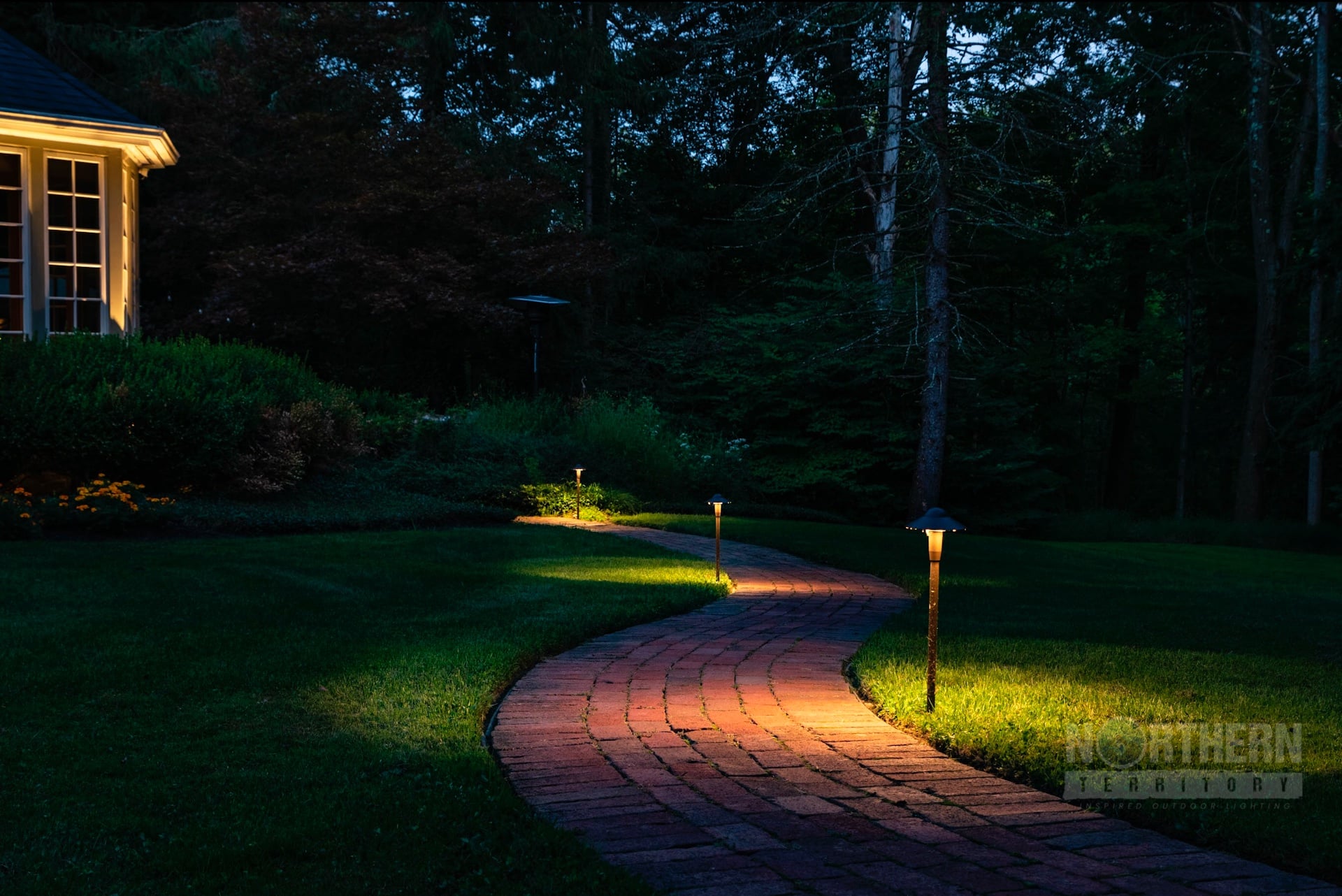
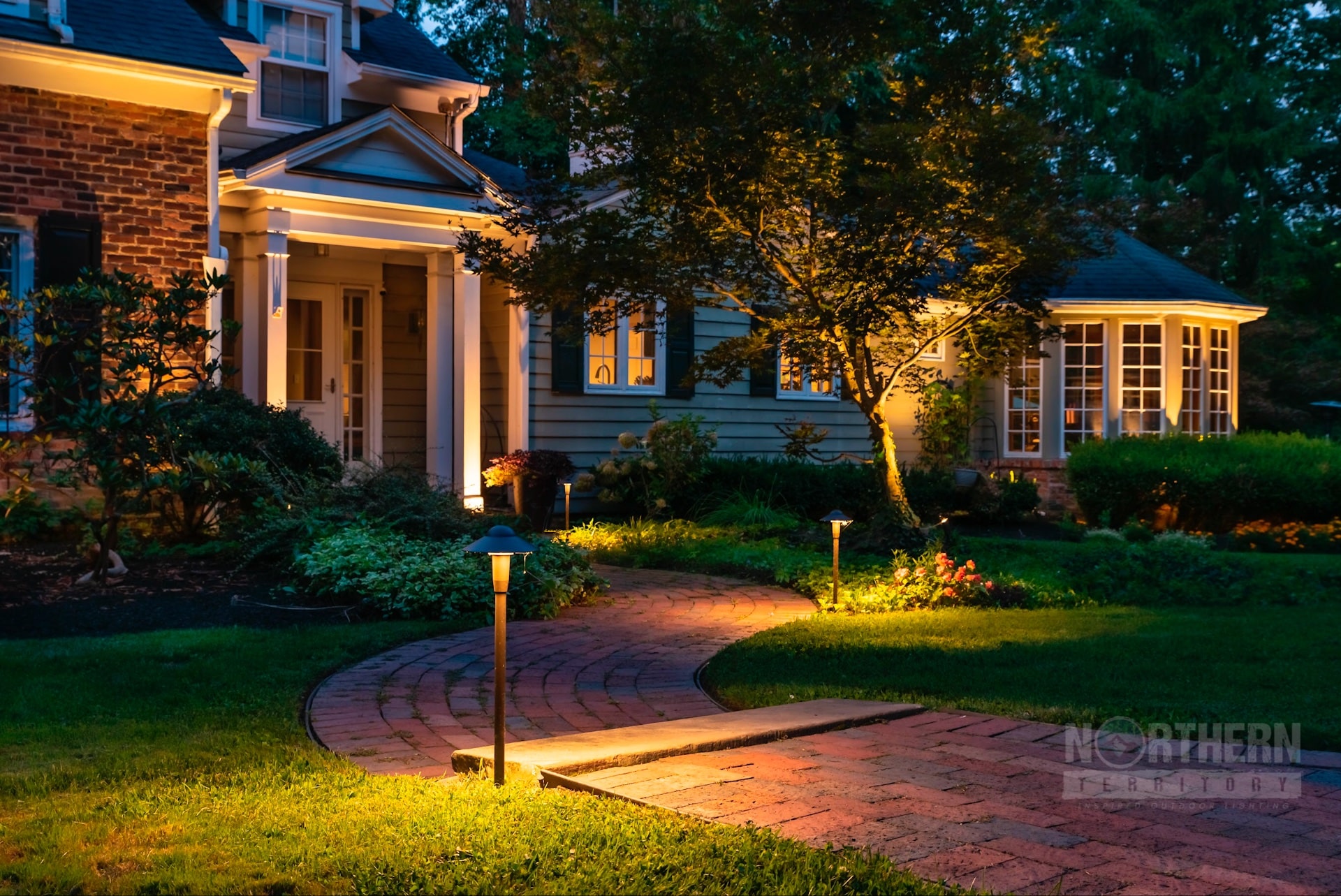
Path and Step Lighting

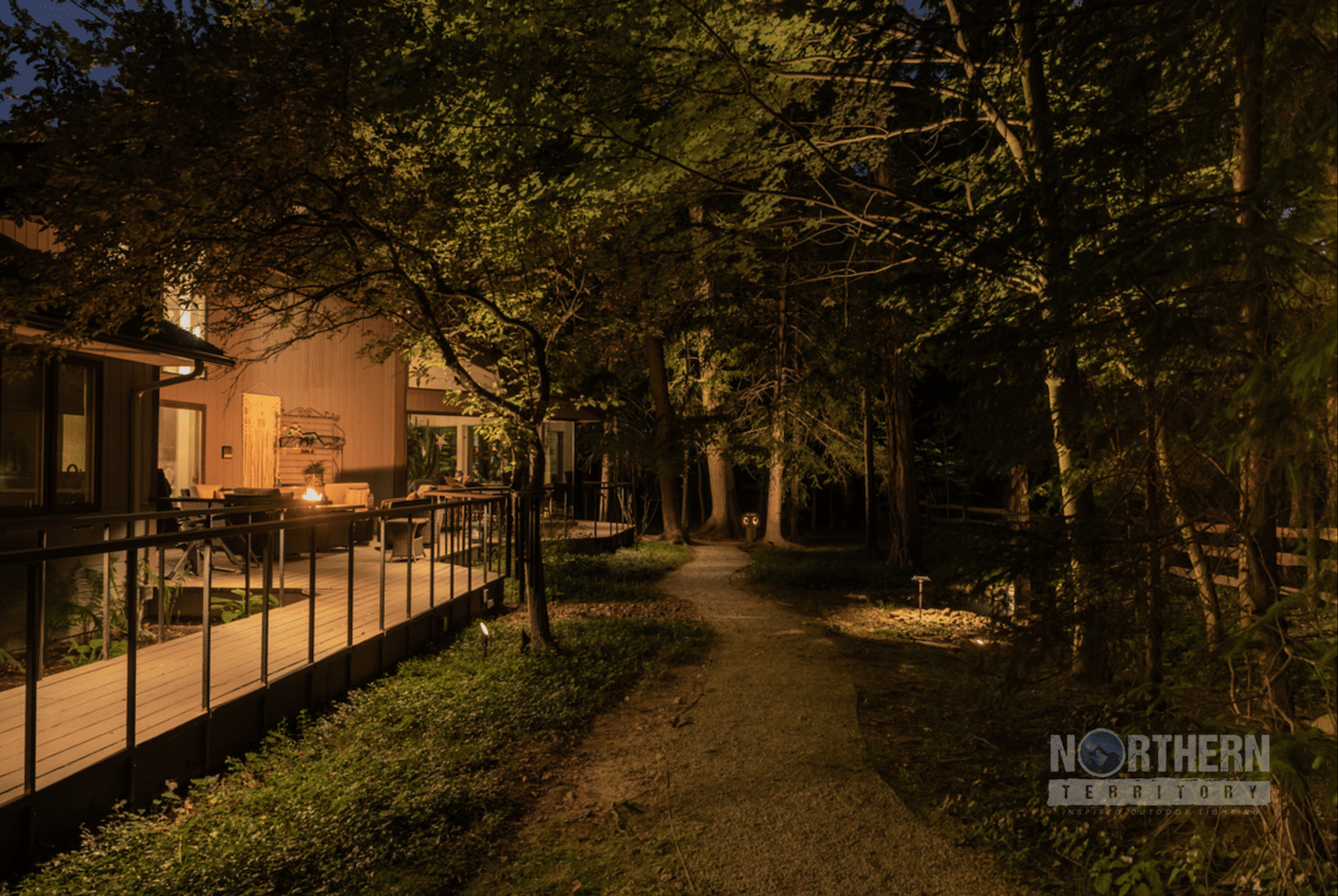
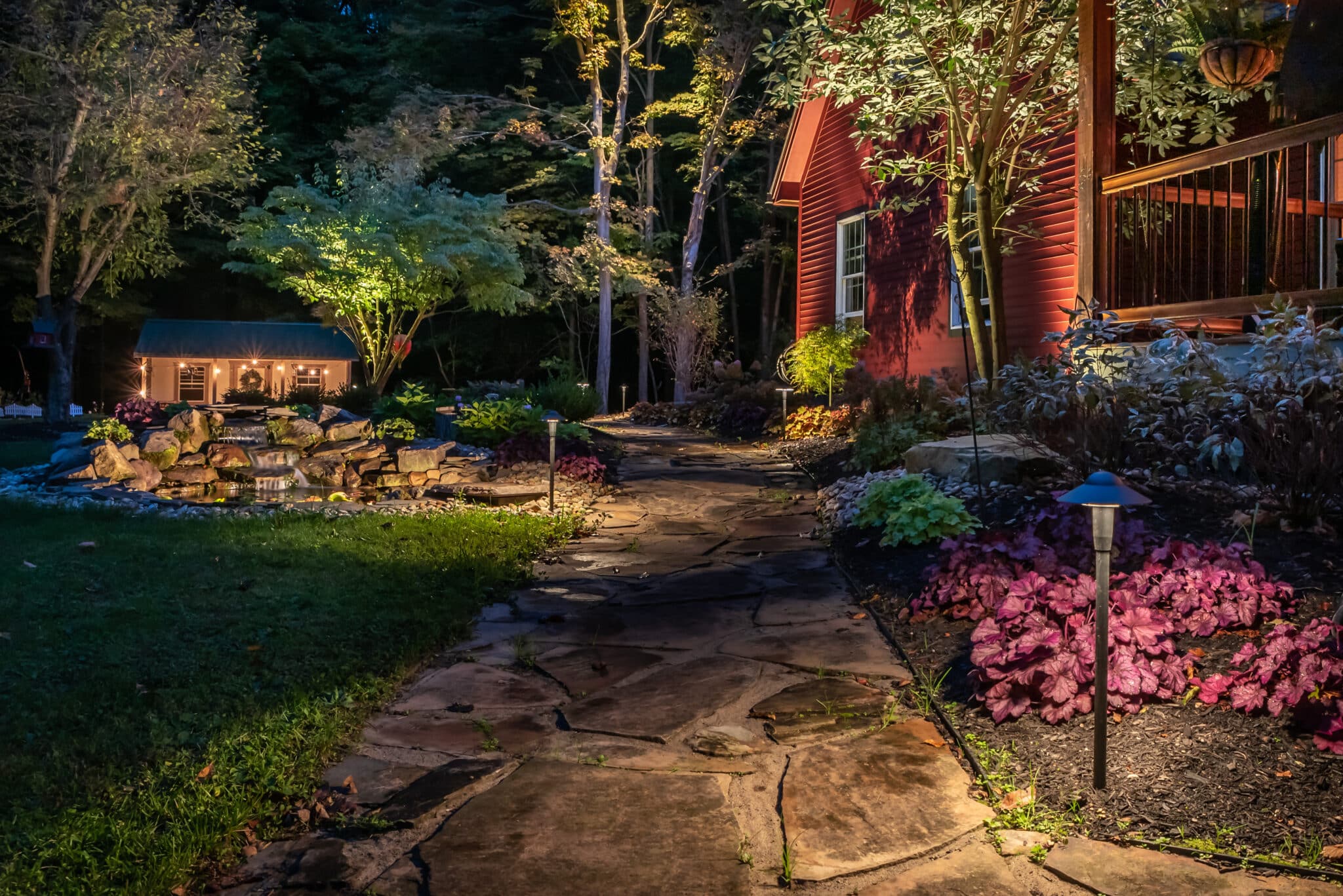
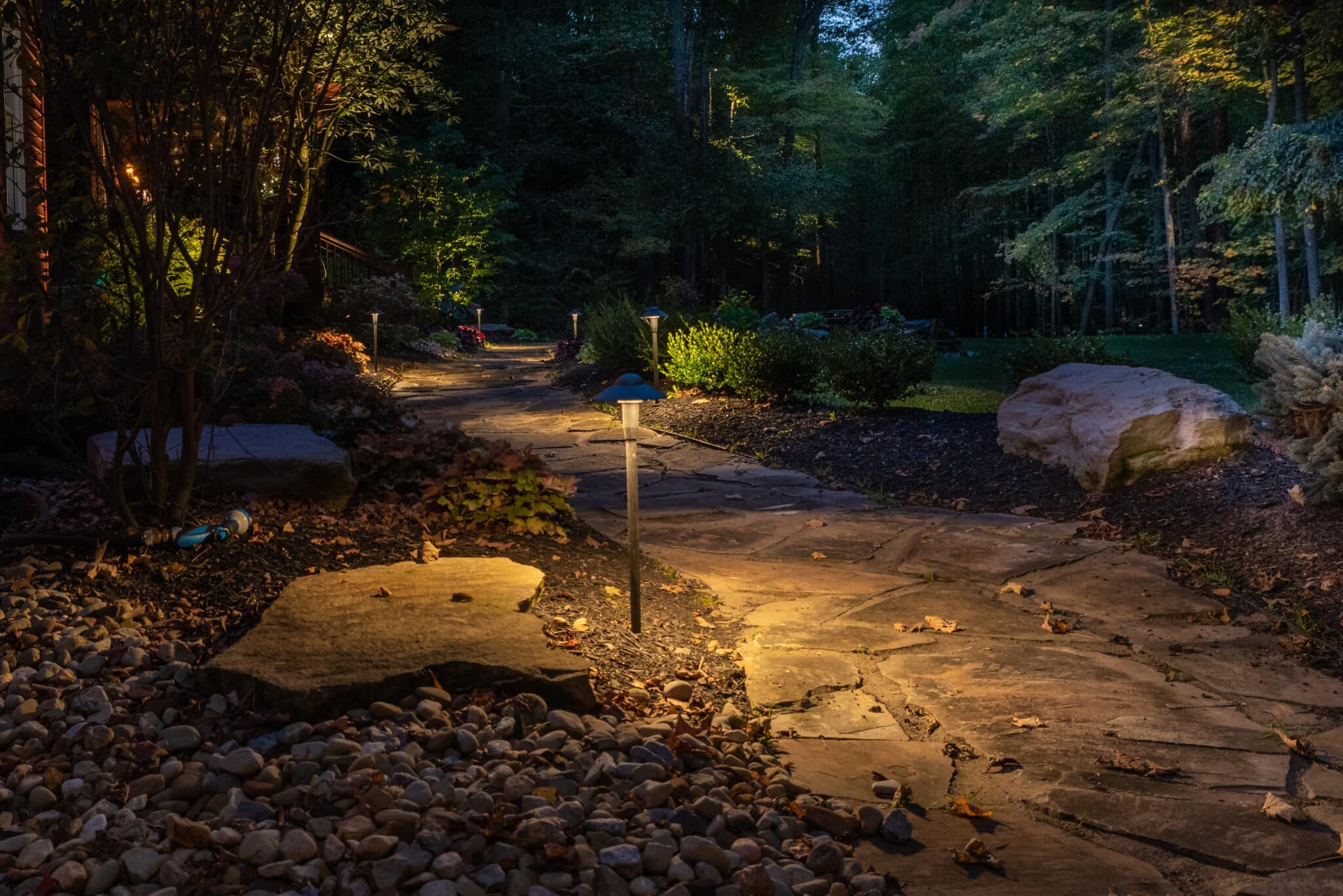
While technically part of landscape lighting, path and step lights also contribute to architectural design by tying the flow of your home and outdoor spaces together.

Best for:
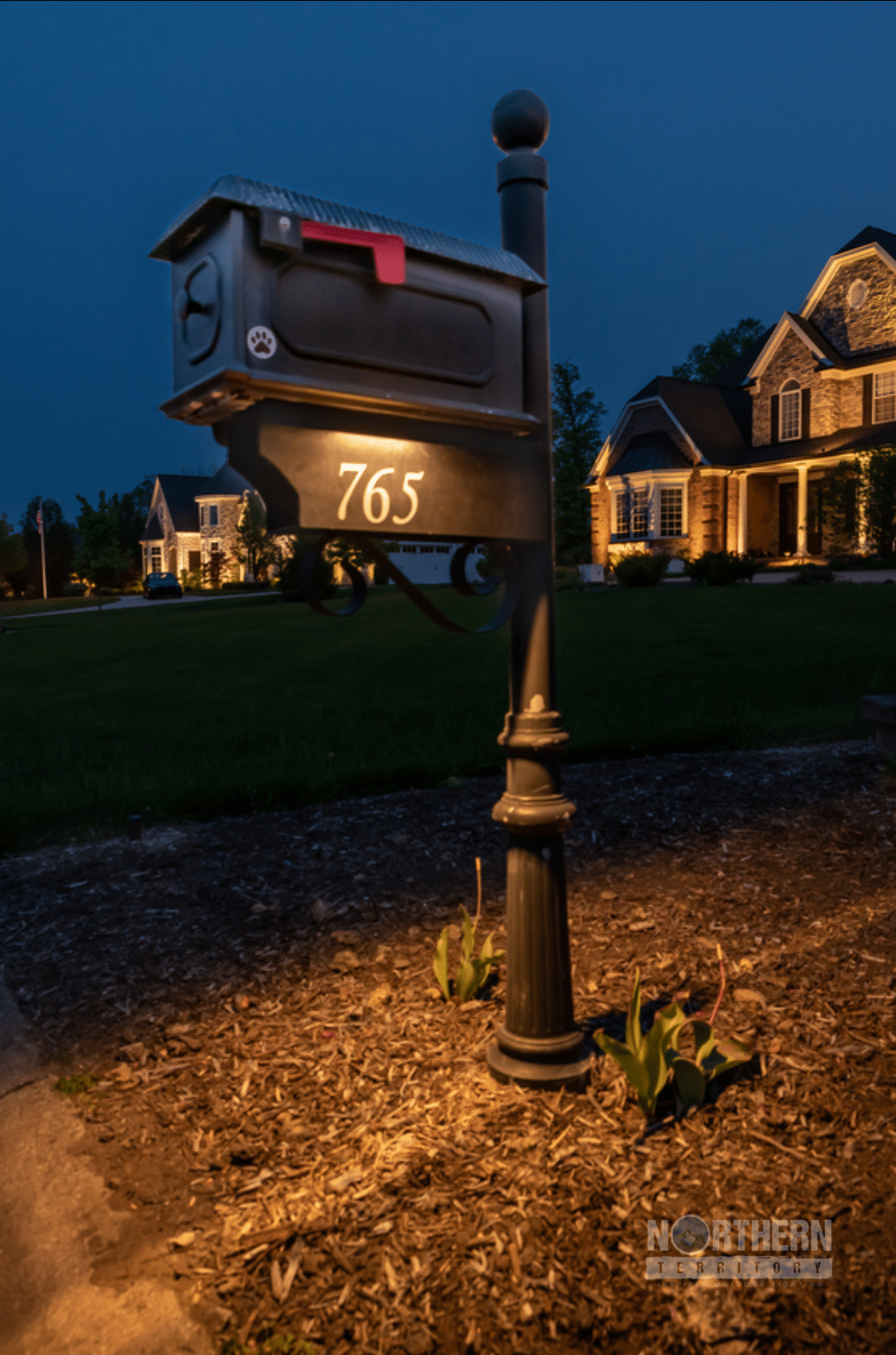
Improving safety along walkways and stairs
Guiding guests toward entryways
Adding warm, welcoming accents to your exterior design

The Benefits of Architectural Outdoor Lighting

Safety

Well-lit entryways, steps, and walkways reduce accidents.

Security

Proper lighting deters unwanted visitors by eliminating dark hiding spots.

Curb Appeal

Your home stands out, even at night, with intentional design.

Lifestyle

Evening gatherings, dinners, or quiet relaxation become more enjoyable with the right ambiance.

Ready to Transform Your Home?

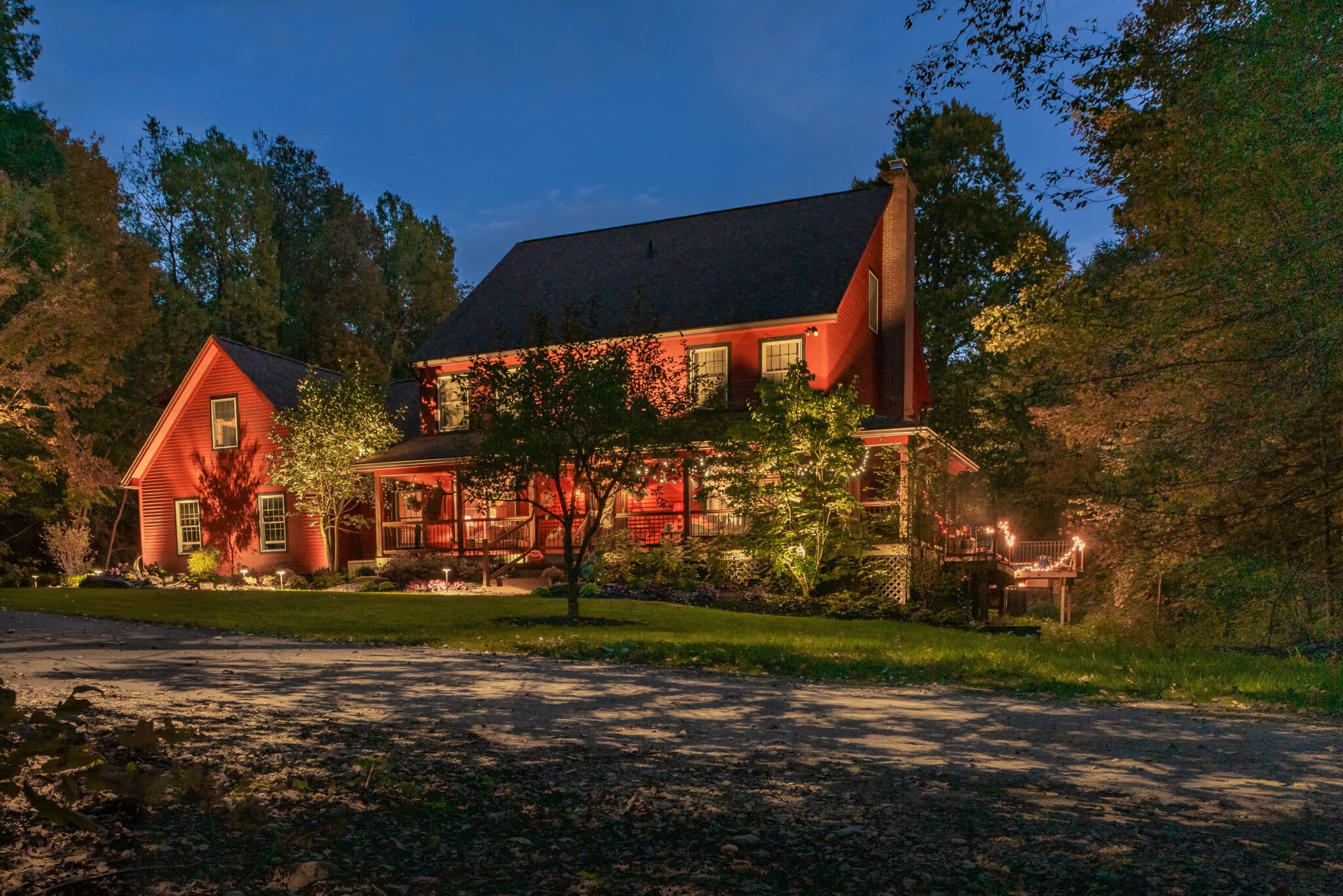
Architectural lighting turns your home’s exterior into an inviting, illuminated space that feels just as elegant after dark as it does during the day. Whether you’re drawn to dramatic uplighting, subtle downlighting, or a layered combination of techniques, our team at Northern Territory Lighting will design a system tailored to your home’s unique character.
light blue button
Book a consultation

FAQs About Architectural Lighting

 What is architectural lighting?

Architectural lighting is the design and placement of outdoor fixtures to highlight a home’s structural features. It blends beauty and function by showcasing details like stonework, columns, or rooflines while also improving safety and security.

How is architectural lighting different from landscape lighting?

Architectural lighting focuses on your home’s structure, while landscape lighting highlights features like trees, gardens, or pathways. The best outdoor lighting designs often combine both for a cohesive look.

What types of architectural lighting are most common?

Popular techniques include uplighting, downlighting, wall grazing, silhouetting, shadowing, and path or step lighting. Each method creates a unique effect, from dramatic highlights to subtle ambiance.

Does architectural lighting improve home value?

Yes. Professionally designed exterior lighting not only adds curb appeal but also enhances security and extends the usability of outdoor spaces—features many buyers value.

Can architectural lighting be customized to my home?

Absolutely. Every home has different architectural details and landscaping. A tailored lighting plan ensures the design fits your property’s style and complements its unique features.

Copyright ©2026 northern territory